Sweets/Savouries
Indian sweets are famous all across the world. Most of the sweets, which are prepared during festivals and offered to God, are generally made of jaggery and commercial sweets are made of sugar. Some people say that if one craves for sweets, it means body is running low on energy and needs sugar to quickly fix it. It may be true or may not be, but you will definitely crave for it on going through the below recipes. So do make them and enjoy a sweet day.
Also find recipes for snacks/savouries here, you will definitely like them. Do munch them and satisfy your small hungers.
Carrot Halwa
Pottu Kadalai Ladoo (Roasted bengal gram)
Rava Ladoo
Mysore Pak
Badam Burfi
Kaju Burfi (Katli)
Kaju Badam Burfi
Paruppu Payasam
Semiya Payasam
Jevvarisi (Sabudana) Payasam
Orange Payasam
Carrot Payasam
Sweet Pongal/Sakkarai Pongal
Samba Wheat Kesari (Wheat Sheera)
Kesari (Sheera)
Savouries
Ribbon Pakoda
Plain Murukku (thenkuzhal)
Mullu Murukku
Shakkarpara
Carrot Halwa
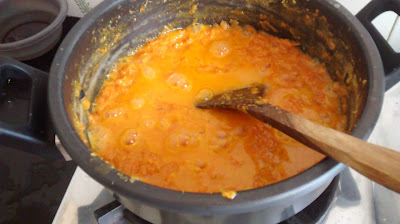
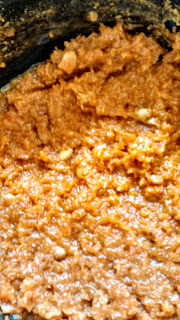
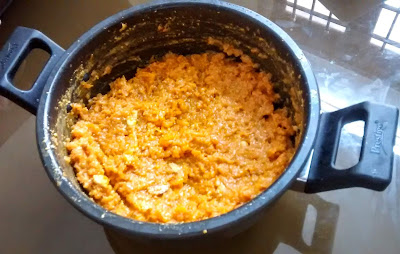
Ingredients
Carrot : 1 Kg
Sugar : 200 g
Milk : 1 to 1.5 ltr
Ilaichi (elakai) : 3
Ghee : 50-100g
Colour/Saffron : pinch
Cashewnut : 50 gm
Procedure
1. Boil the milk and keep it aside.
2. Grate the carrots. Take a kadhai and lightly fry the grated carrots with ghee for 5 min.
3. Add the boiled milk to it and keep the gas flame medium or low.
4. Keep stirring the mixture often till the quantity reduces to 1/3 rd.
5. Now add sugar to it. Still well continuously.
6. Then add 2 tbsp ghee evry five min and keep stirring till all the ingredients blend well with each other and become sticky (a little semisolid)
[Caution : Do not over stir, else the mixture will become hard]
7. Add ilaichi powder.
8. Then add saffron (can add before also).
9. Stir for 2 min and then switch off the flame.
10. Now in a separate pan, fry the cashewnut in ghee. Can also add dry grapes (kishmish).
Add it to the mixture.
11. For further taste and decoration, before adding cashewnuts, can cover the mixture with silver foil and then add cashewnuts.
Note : You can save this sweet in the refrigerator and consume it within 4 to 5 days. You can heat a pan, add little ghee and saute the halwa and serve it hot.
DELICIOUS CARROT HALWA IS READY!!!!!!
Paruppu Payasam
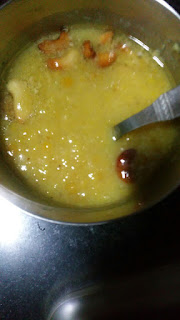
Ingredients:
Moong dal : 1 small cup
Chana dal : 1 tbsp
Jaggery : 1 small cup
Milk : 1/2 tumbler
Elaichi : 4-5
Ghee : 2 tbsp
Kaju : 7-8
Method :
Take 1 cup moog dal, 1 tbsp chana dal. Dry roast lightly till colour slightly changes.
Boil it in enough water.
Melt 1 cup jaggery and filter it (to remove mipurities if any). Mix it with dal and allow it to boil till raw flavour goes off and consistency is little thick.
Add 1/2 tumbler boiled milk, add elaichi (4-5) powder
Add ghee as required and roast the kaju in it till golden brown. Add it to the payasam.
Sweet Pongal/Sakkarai Pongal
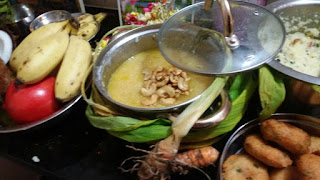
Ingredients
3/4 cup rice, 1/4 cup moog dal.
jaggery : 1 cup
elaichi :4-5
ghee : 5-6 tbsp
Method
Saute rice and moog dal on a pan, dry without oil, just for 1-2 min.
Add 2.5 cup water and 0.5 cup milk, pressure cook it for 5-6 whistels ( or boil it in pot till milk boils and till rice/dal become soft)
Add 2tbsp water to jaggery and allow it to melt. Filter it to remove impurities if any and add it to rice dal mixture and mix it. Let the jaggery bind and blend well with the mixture.
After 3-5 min, add ghee and stir well and allow it to boil for another 3-4 min till mixture reaches thick consistency. Add elaichi powder, Kaju & kishmish(roasted in ghee). Add more ghee if required/desired.
Mysore Pak
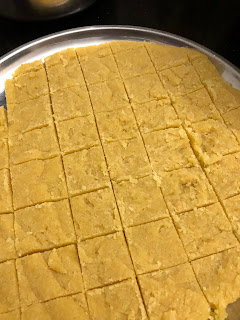
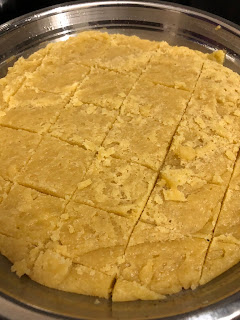
Ingredients:
Besan (Kadala Maavu) : 1 tumbler
Sugar : 2.5 tumbler
Pure fresh Ghee (Desi Ghee) : 2-3 tumbler (melted and warm)
(Note : 1 tumbler =~ 200ml apprx)
Method:
1. Sieve the besan once to avoid lumps.
2. Take a thick bottom kadhai/pan, pour 1/4 tumbler water into it, add sugar to it and keep stirring till sugar melts.
3. Add 1 tbsp of milk. It will boil and settle on the top along with the impurities (brownish white). Remove it gently with a ladle or spoon.
4. Now let the sugar syrup boil (keep stirring often) till we get 1-string-consistency. (How to check - Wet your index finger and thumb finger with water , take little amount of the sugar syrup with a spoon, touch it with your index & thumb finger. Now if you slowly tap your index finger with the thumb finger, you should be able to see one string formed in between.)
5. Now add the besan slowly and keep stirring simultaneously. Mix well and make sure no lumps are formed. The flour should blend well with the sugar syrup. In sometime it will start boiling.
6. Now add one ladle of melted ghee, you will see that boiling will stop and again within minutes it will boil again. Repeat this step till you have used 3/4th of the ghee quantity.
7.You will see that the mixture will thicken, tighten and start becoming non-sticky and will not stick to the pan. Add the remaining melted ghee, keep stirring fast continuously. Please have your full focus on it.
8.The mixture will boil with bubbles making it look like whitish light cream colour. This is the texture or colour you need to wait for and once seen, immediately pour the mixture into an aluminium tray (or stainless steel tray) greased with ghee all over.
9. Make it even with the help of the ladle or spoon. Since its very hot, best is to move the tray up and down sideways and it will settle down evenly. But please do not tap the tray in an attempt to evenly spread the mixture.
10. After 10 min, the mixture will be still hot. Cut it into cubes and then allow the mixture to cool for around half an hour.
11. Remove the cubes from the sides first which will make it easy to remove all. Store in air tight container.
Note : In Step 8, if you remove the mixture from the flame before achieving the right texture, it will be sticky and the sweet will not be good. But if you remove it late, it will harden and again the sweet will not be good.
Pottu Kadalai Ladoo (Roasted bengal gram)
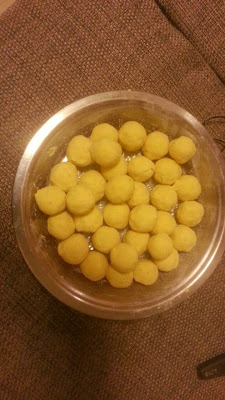
Rava ladoo
This is a quick and easy sweet recipe. Like 'Besan laddoo' is a quick north Indian sweet, this one is the quick south side sweet recipe. Usually cashewnuts are added for 'Rava Laddoo', but you can also add grated/broken assorted nuts (like badam, pista, kishmish) as per your taste. If all the ingredients used are fresh, you can store this laddoo for 15-20 days. But note that if you are adding kishmish, then it may not stay for so long, you will have to consume it soon.
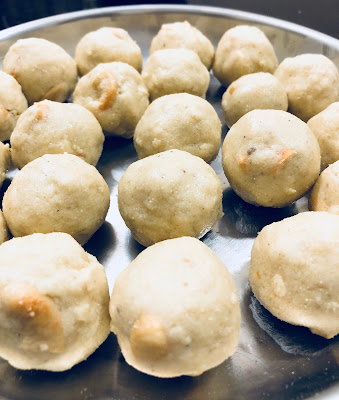
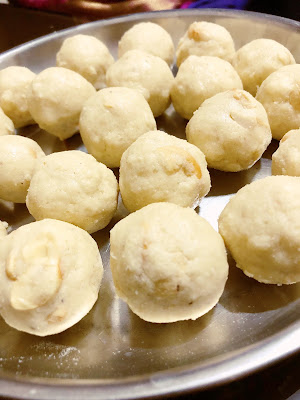
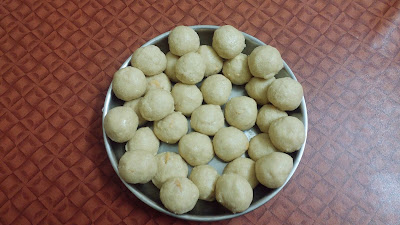
Ingredients :
Rava : 1 cup
Sugar : 1.5 cup (you can adjust as per taste)
Elaichi : 4
Desi ghee : 100g
Edible Camphor/pachai Karpooram/Kapur : pinch (optional)
Kaju/Cashewnut : few
Note: If you like you can add assorted nuts like badam, pista, kishmish.
Method:
1. Take a kadhai/pan. Add rava and dry roast it till it lightly changes colour.
2. Allow the rava to cool.
3. Grind rava into fine powder. Sieve it.
4. Then grind sugar into fine powder.
5. Now mix both powdered rava and sugar. Add Elaichi powder, powdered camphor(optional) and melted ghee. Mix well and make ladoos out of it.
Note: if you add even little bit excess of camphor, its flavour will dominate and spoil the taste, so make sure it is just pinch
6. If you feel you are unable to form the laddoos and that it breaks, add little more melted ghee.
Badam Burfi
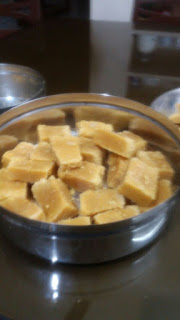
Ingredients:
Badam : 200g
Sugar : 400g
Ghee : 200ml approx (melted and warm)
Method:
1. Take enough water in a vessel and bring it to boil. Once it starts boiling, add the badam, close the vessel with lid and switch off the flame. Wait for 1.5 to 2 hours.
2. Drain the excess water, peel the skin of all badams and allow them to become little dry.
3. Grind these badams into a little coarse powder(i.e. not smooth paste). Add little milk while grinding (to get an even coarse powder).
4. Heat a thick bottom kadhai/pan, add the sugar into it. Add 2-3 tbsp of water. The sugar will melt.
Keep stirring the mixture and let the sugar syrup boil for 5-7 min.
5. Then add the badam powder and mix well and make sure no lumps are formed.
6. Once the mixture starts boiling, add 2-3 tbsp of warm melted ghee and stir. The boiling will slow down and again come back to normal. Again add 2-3 tbsp of ghee and keep repeating this step.
7. Slowly the badam mixture will become non-sticky and soon it will turn into a lighter shade. Once you see this colour change, switch off the flame and transfer it into a greased aluminium tray (or any tray greased with ghee all over). Move the tray up and down sideways to make it spread evenly. (Use a big spoon if needed to even it.)
8. Wait for 10 min and cut it into pieces. Allow it to cool down completely.
9. Remove the pieces from the sides first so that the others come out easily.
Kaju Burfi (Katli)
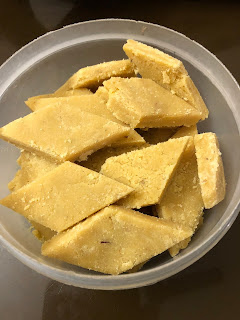
Ingredients:
Kaju : 200g
Sugar : 400g
Ghee : 200ml approx
Silver foil (optional)
Method:
1. Break the kaju into halves. Heat a thick bottom pan/kadhai very well and switch the flame off. Immediately add the kaju and dry roast it for 1 to 2 min.
3. Grind these kajus into a little coarse powder(i.e. not very smooth powder).
4. Heat a thick bottom kadhai/pan, add the sugar into it. Add 2-3 tbsp of water. The sugar will melt.
Keep stirring the mixture and let the sugar syrup boil for 5-7 min.
5. Then add the kaju powder and mix well and make sure no lumps are formed.
6. Once the mixture starts boiling, add 2-3 tbsp of warm melted ghee and stir well. The boiling will slow down and again come back to normal. Again add 2-3 tbsp of ghee and keep repeating this step.
7. Slowly the kaju mixture will become non-sticky and while stirring it will not stick to the pan at all. Switch off the flame and transfer it into a greased aluminium tray (or any tray greased with ghee all over). Move the tray up and down sideways to make it spread evenly. (Use a spoon if needed to even out.) This spread has to be thin. So choose a tray which is long enough to allow you achieve a thinner spread. Apply the silver foil on top of it.
8. Wait for 10 min and cut it into pieces. Allow it to cool down completely.
9. Remove the pieces from the sides first so that the others come out easily.
Note: You can also mix kaju and badam and make kaju-badam-burfi. For your ease, I have again mentioned its recipe as below.
Kaju Badam Burfi
Ingredients:
Kaju : 100g
Badam : 100g
Sugar : 400g
Ghee : 200ml approx
Method:
1. Take enough water in a vessel and bring it to boil. Once it starts boiling, add the badam, close the vessel with lid and switch off the flame. Wait for 1.5 to 2 hours.
2. Drain the excess water, peel the skin of all badams and allow them to become little dry.
3. Grind these badams into a little coarse powder(i.e. not smooth paste). Add little milk while grinding (to get an even coarse powder).
4. Break the kaju into halves. Heat a thick bottom pan/kadhai very well and switch the flame off. Immediately add the kaju and dry roast it for 1 to 2 min.
5. Grind these kajus into a little coarse powder(i.e. not very smooth powder).
6. Heat a thick bottom kadhai/pan, add the sugar into it. Add 2-3 tbsp of water. The sugar will melt.
Keep stirring the mixture and let the sugar syrup boil for 5-7 min.
7. Then add the kaju and badam powder and mix well and make sure no lumps are formed.
8. Once the mixture starts boiling, add 2-3 tbsp of warm melted ghee and stir well. The boiling will slow down and again come back to normal. Again add 2-3 tbsp of ghee and keep repeating this step.
9. Slowly the kaju-badam mixture will become non-sticky and while stirring it will not stick to the pan at all. Switch off the flame and transfer it into a greased aluminium tray (or any tray greased with ghee all over). Move the tray up and down sideways to make it spread evenly.
10. Wait for 10 min and cut it into pieces. Allow it to cool down completely.
11. Remove the pieces from the sides first so that the others come out easily.
Semiya Payasam
Ingredients:
Semiya : 1 cup
Sugar : 1.5 cup
Milk : 0.5 litre
Elaichi/Elakkai : 4-5
Ghee : 3-4 tsp
Kaju : 9-10
Kishmish/Dry grapes : 7-8
Pachai Karpooram (edible camphor) : 1 tuwar dal size (Optional)
Note : Elaichi and Camphor enhance the fragrance and also aid in digestion.
Method:
1. Heat 1-2 tsp of ghee in a pan and roast the semiya in it for 1 min.
2. Boil 2 cups of water, add semiya into it and mix well.
3. Allow it to boil (stir often) till the semiya is 3/4th cooked.
4. Add sugar and boil for 8-10 min. Keep stirring often. (Meanwhile boil milk separately).
5. Switch off the flame and add milk. Add powdered elaichi and camphor.
6. Break the kajus into half. Roast them in ghee in a pan till golden in colour. Add kishmish into the pan and switch off the flame. Add this to the payasam.
The above is the traditional method for semiya payasam. But you can also try the below method. It gives a creamier taste.
1. Heat 1-2 tsp of ghee in a pan and roast the semiya in it for 1 min.
2. Boil 750 ml milk. Once milk tries to overflow, stir continuously on low to medium flame and add semiya into it. Mix well.
3. Allow it to boil (stir often) till the semiya is 3/4th cooked.
4. Add sugar and allow it to boil till the semiya gets cooked properly.
(note : In step3&4 the milk becomes thicker and hence gives a creamier taste).
5. Switch off the flame and add elaichi powder. (and camphor powder)
6. Break the kajus into half. Roast them in ghee in a pan till golden in colour. Add kishmish into the pan and switch off the flame. Add this to the payasam.
Jevvarisi (Sabudana) Payasam
Ingredients:
Sabudana : 1 cup
Sugar : 1.5 cup
Milk : 0.5 litre
Elaichi/Elakkai : 4-5
Ghee : 3-4 tsp
Kaju : 9-10
Kishmish/Dry grapes : 7-8
Pachai Karpooram (edible camphor) : 1 tuwar dal size (Optional)
Note : Elaichi and Camphor enhance the fragrance and also aid in digestion.
Method:
1. Heat a pan and dry roast the sabudana in it for 1 min (Pls add subadana only after the pan is hot).
2. Boil 2-3 cups of water, add sabudana into it and mix well.
3. Allow it to boil (stir often) till the sabudana is 3/4th cooked.
4. Add sugar and boil for 8-10 min. Keep stirring often. (Meanwhile boil milk separately).
5. Switch off the flame and add milk. Add powdered elaichi and camphor.
6. Break the kajus into half. Roast them in ghee in a pan till golden in colour. Add kishmish into the pan and switch off the flame. Add this to the payasam.
Orange Payasam
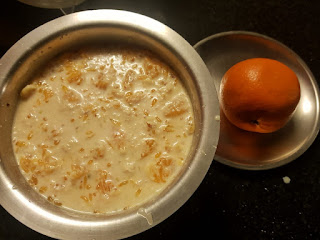
Ingredients :
Milk : 1 litre
Orange : 2
Sugar : 350-400 g
Elaichi : 5
Pachai Karpooram/Edible Camphor (optional): 1 tuwar dal size
Kesar : few strands
Nuts (kaju/badam/pista) : as desired (optional)
Method:
1. Peel the orange. Remove the skin & seeds. We need only the pulp. Keep it aside.
2. Boil milk till it becomes close to half of its initial quantity (half litre). Transfer 1-2 tsp of this milk into a separate cup, add kesar to it and keep it aside.
3. Add sugar to the milk. Mix well. This will again increase the quantity. Allow the mixture to boil till it again reduces to half litre (i.e. half of initial quantity).
4. Add powdered elaichi and edible camphor. (Please note that edible camphor is optional. Dont add it more than the mentioned quantity, else it will give a strong flavour and spoil the taste.)
5. Add the kesar which we had kept aside in a cup in step 2. Add it to the payasam. Also add grated cashew, badam and pista to the payasam. (nuts are optional, but adding them enhances the taste)
6. Boil for 15 sec and switch off the flame.
7. Allow it to cool down. (almost to the room temperature)
8. Add orange pulp to the payasam. Mix well. Serve it hot/cold as you like it!
Note : If you do not perform step 7 properly, milk might turn sour due to heat since orange is citric by nature.
You can keep this payasam outside if you are going to consume it within an hour. Else keep it in the refrigerator. You can store it for 2 days in the refrigerator.
Carrot Payasam
Ingredients
Carrot : 1/4 kg
Milk : 0.5 litre
Sugar : 200g
Ghee : 5-6 tsp
Elaichi : 4-5
Pachai Karpooram (Edible camphor) : 1 tuwar dal size
Kaju :7-8
Pista chopped for garnish
Chironji/Saara paruppu : for garnish
Method:
1. Roughly chop the carrots. Saute them in 3-4 tsp Ghee till half cooked. Then allow it to cool down.
2. Boil milk till it reduces to half of its quantity.
3. Add sugar. This will increase the quantity. Again allow it to boil till it becomes half of the present quantity.
4. Grind the carrots and add it to the milk-sugar mixture. Mix well and allow it to boil for 3-4 min.
5. Add powdered elaichi and camphor.
6. Boil for 15 sec. Turn off the flame.
7. In another small pan, heat 2 tsp ghee, saute kaju, chironji and pista till they turn golden. Add it to the payasam.
Samba Wheat Rava Kesari
Samba wheat rava is a healthier option than the normal rava. It is nowadays easily available in market. It is rich in fiber since it is the unpolished variant of rava, whereas ordinary rava is polished and hence loses many important nutrients. Samba wheat rava can be used as an alternative ingredient for all the dishes which we prepare with ordinary rava. Let's see how to make Samba wheat rava kesari or sheera.
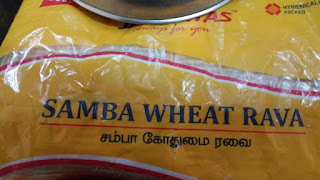
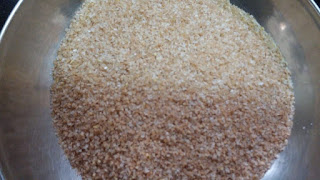
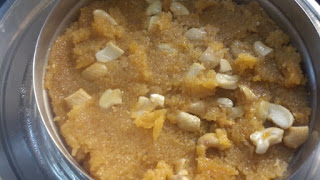
Ingredients:
Samba wheat rava : half cup
Elaichi : 4-5
Kesar (kumkum poo): 10-12 strands (soaked in 2 tbsp milk)
Edible camphor : pinch (optional, make sure u really take pinch or very very minute piece, else it's flavour will dominate and won't taste good.)
Sugar : 1 cup
Desi ghee : 1/4 cup apprx
Cashewnuts (kaju) : 15 or more (as you like it)
Kishmish (dry grapes) : 10 or more (as you like it)
Method:
1. Soak the kesar in milk and keep it aside.
2. Saute the cashew nuts & kishmish in 2-3 tsp ghee till cashews turn golden brown. Keep them aside.
3. Pour 1:3 water in a vessel (we took half cup wheat-rava, so take 1.5 cups water) and put it on flame. Till the water starts boiling, let's parallely roast our wheat rava. Heat 5tbsp of ghee in a pan/kadhai, add and roast the samba wheat rava till slight colour change. (First rava will become sticky when added to ghee, but as you roast it will slowly turn dry and you will notice slight colour change). Now keep flame in sim to medium range, then add the boiling water to the wheat-rava and mix and keep stirring well. Make sure no lumps are formed.
4. Continously stir and within 2-3 min, wheat-rava will soak all water, check wether wheat-rava got cooked. (Take one granule of the rava for sample and press it to check if it is getting mashed properly)
5. Add sugar, keep stirring. Sugar will liquidise and bind with the rava, add elaichi powder, edible camphor, kesar milk and the remaining ghee. Keep stirring and in 3-4 min, it will become non sticky. If you feel it has become little dry, then add some more ghee (3-4 tbsp) and stir for 1-2 min . Add the ghee roasted cashews, kishmish and mix well.
6. Switch off the flame and transfer the Kesari (sheera) to a any container, allow it to cool and then close it tight.
Note:
You can serve it hot. Heat little ghee in pan, saute the Kesari for a minute and you can serve it hot.
You can store this sweet for 3 days approximately.
If you are storing it in refrigerator, you can store it for a week.
Kesari
Also find recipes for snacks/savouries here, you will definitely like them. Do munch them and satisfy your small hungers.
Carrot Halwa
Pottu Kadalai Ladoo (Roasted bengal gram)
Rava Ladoo
Mysore Pak
Badam Burfi
Kaju Burfi (Katli)
Kaju Badam Burfi
Paruppu Payasam
Semiya Payasam
Jevvarisi (Sabudana) Payasam
Orange Payasam
Carrot Payasam
Sweet Pongal/Sakkarai Pongal
Samba Wheat Kesari (Wheat Sheera)
Kesari (Sheera)
Savouries
Ribbon Pakoda
Plain Murukku (thenkuzhal)
Mullu Murukku
Shakkarpara
Carrot Halwa
Carrot Halwa is such a delicious Indian sweet/dessert, you cannot
resist it. There are many types of Halwa found in India, but this one is
the king of all. Please find its recipe as below.
Ingredients
Carrot : 1 Kg
Sugar : 200 g
Milk : 1 to 1.5 ltr
Ilaichi (elakai) : 3
Ghee : 50-100g
Colour/Saffron : pinch
Cashewnut : 50 gm
Procedure
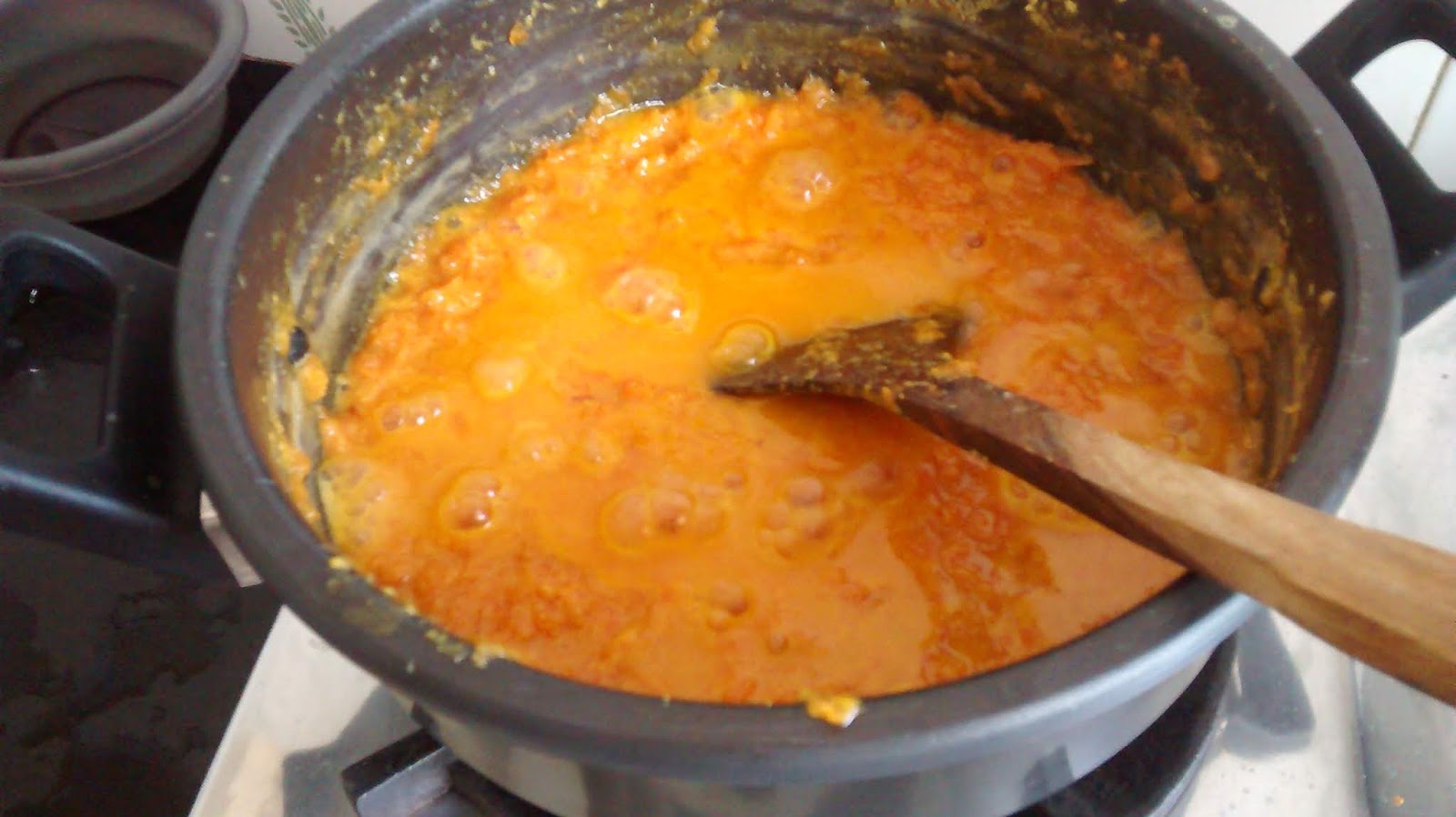
1. Boil the milk and keep it aside.
2. Grate the carrots. Take a kadhai and lightly fry the grated carrots with ghee for 5 min.
3. Add the boiled milk to it and keep the gas flame medium or low.
4. Keep stirring the mixture often till the quantity reduces to 1/3 rd.
5. Now add sugar to it. Still well continuously.
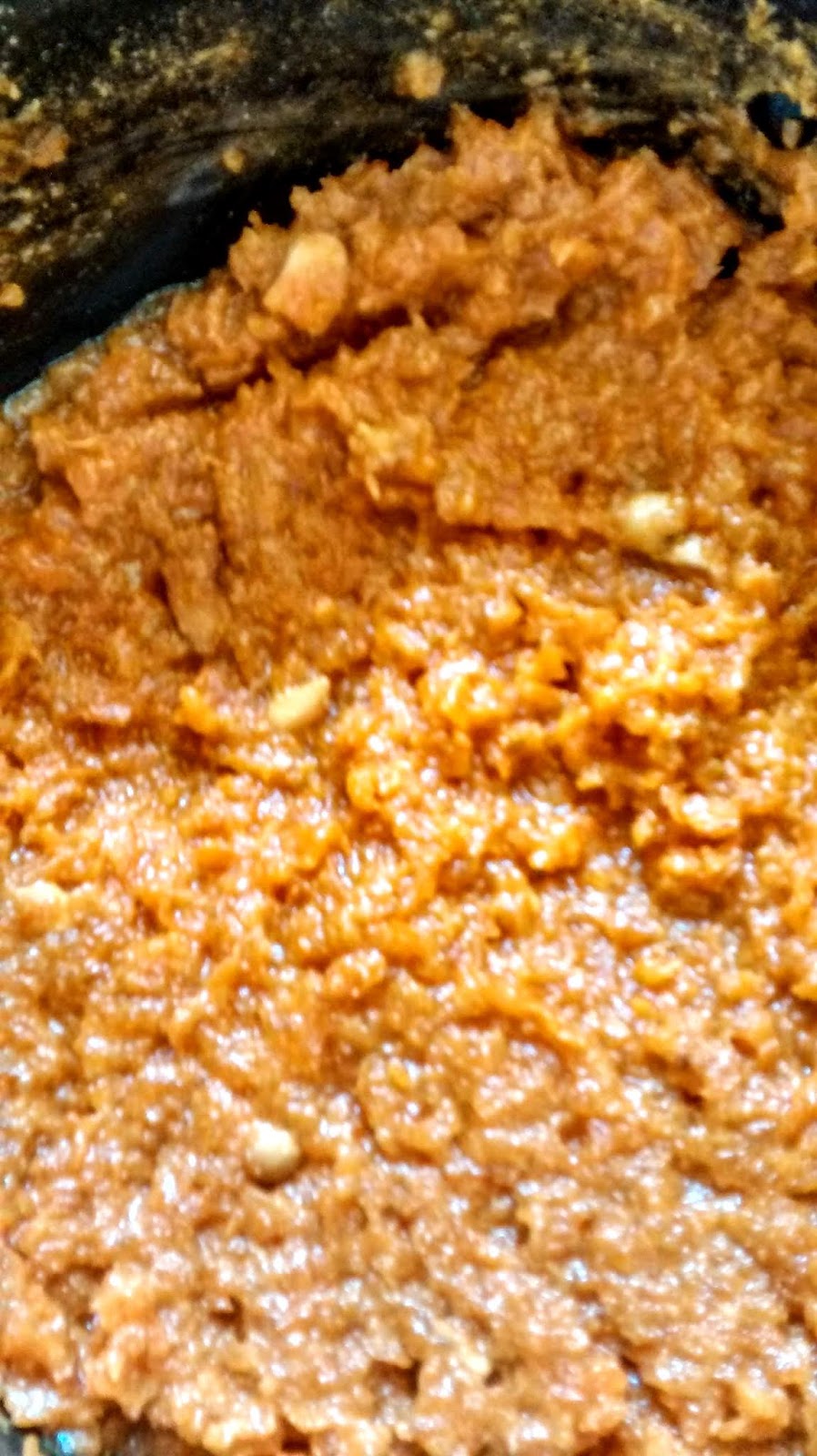
6. Then add 2 tbsp ghee evry five min and keep stirring till all the ingredients blend well with each other and become sticky (a little semisolid)
[Caution : Do not over stir, else the mixture will become hard]
7. Add ilaichi powder.
8. Then add saffron (can add before also).
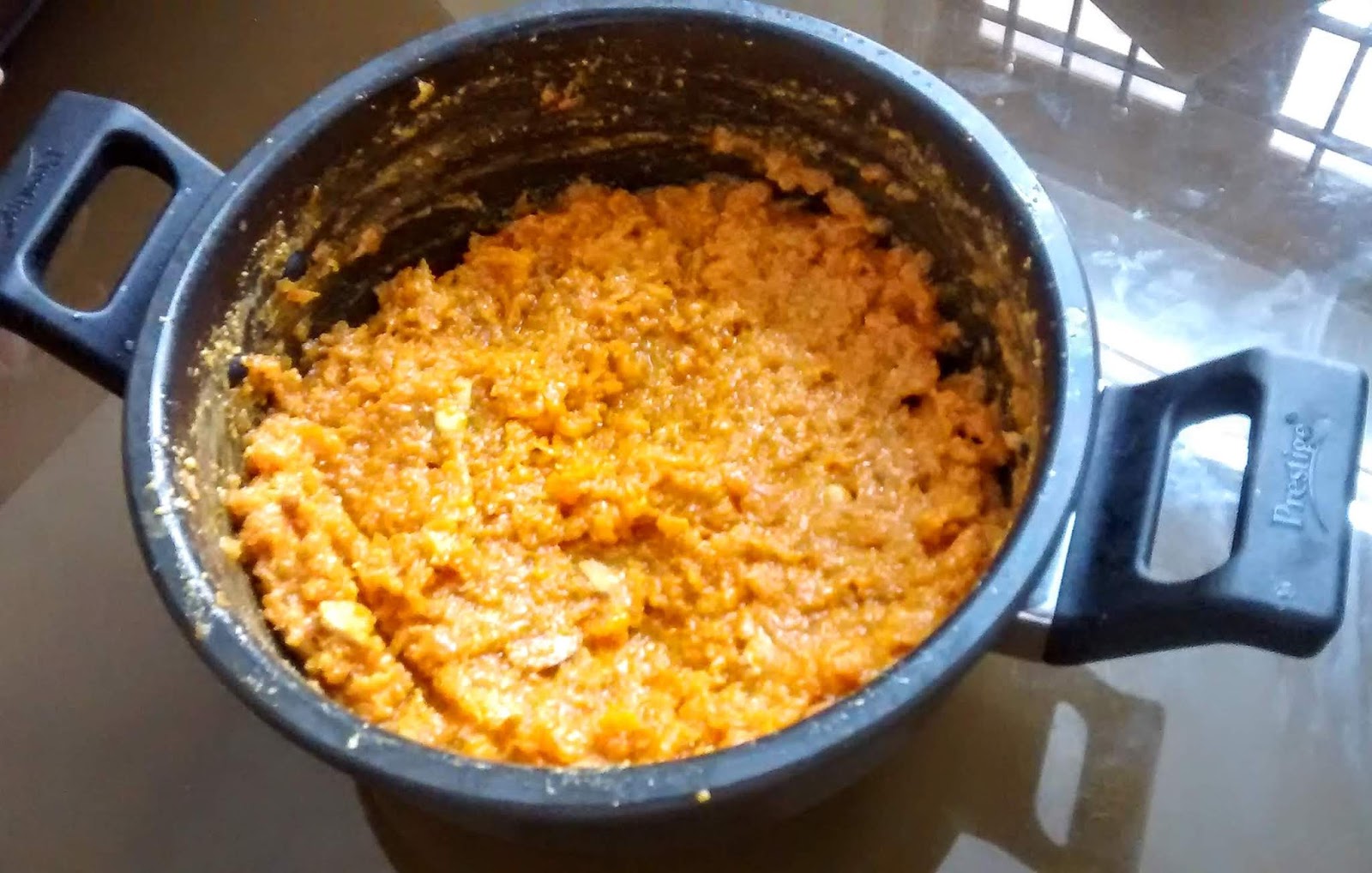
9. Stir for 2 min and then switch off the flame.
10. Now in a separate pan, fry the cashewnut in ghee. Can also add dry grapes (kishmish).
Add it to the mixture.
11. For further taste and decoration, before adding cashewnuts, can cover the mixture with silver foil and then add cashewnuts.
Note : You can save this sweet in the refrigerator and consume it within 4 to 5 days. You can heat a pan, add little ghee and saute the halwa and serve it hot.
DELICIOUS CARROT HALWA IS READY!!!!!!
Paruppu Payasam
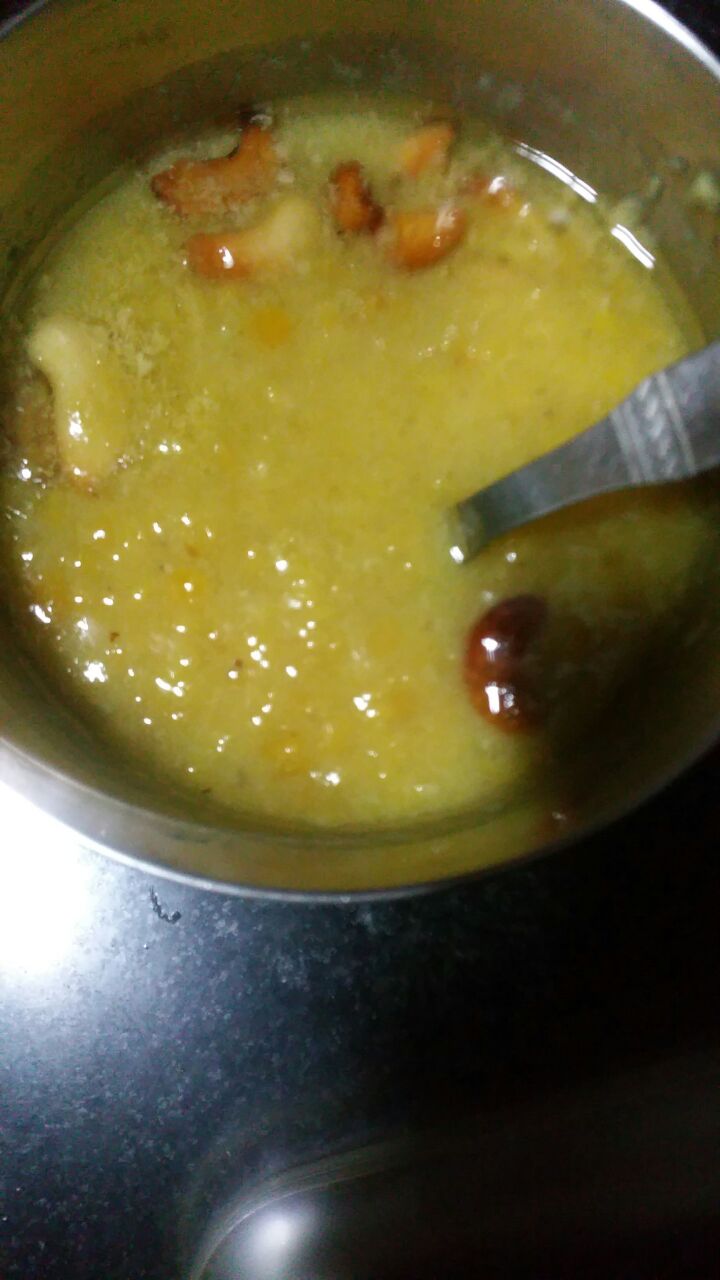
Moong dal : 1 small cup
Chana dal : 1 tbsp
Jaggery : 1 small cup
Milk : 1/2 tumbler
Elaichi : 4-5
Ghee : 2 tbsp
Kaju : 7-8
Method :
Take 1 cup moog dal, 1 tbsp chana dal. Dry roast lightly till colour slightly changes.
Boil it in enough water.
Melt 1 cup jaggery and filter it (to remove mipurities if any). Mix it with dal and allow it to boil till raw flavour goes off and consistency is little thick.
Add 1/2 tumbler boiled milk, add elaichi (4-5) powder
Add ghee as required and roast the kaju in it till golden brown. Add it to the payasam.
Sweet Pongal/Sakkarai Pongal
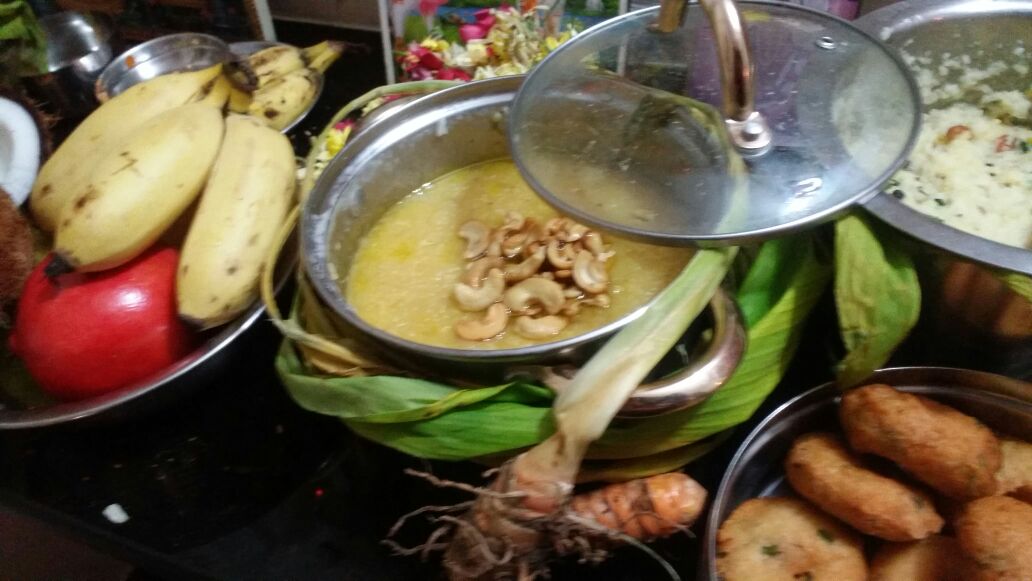
Ingredients
3/4 cup rice, 1/4 cup moog dal.
jaggery : 1 cup
elaichi :4-5
ghee : 5-6 tbsp
Method
Saute rice and moog dal on a pan, dry without oil, just for 1-2 min.
Add 2.5 cup water and 0.5 cup milk, pressure cook it for 5-6 whistels ( or boil it in pot till milk boils and till rice/dal become soft)
Add 2tbsp water to jaggery and allow it to melt. Filter it to remove impurities if any and add it to rice dal mixture and mix it. Let the jaggery bind and blend well with the mixture.
After 3-5 min, add ghee and stir well and allow it to boil for another 3-4 min till mixture reaches thick consistency. Add elaichi powder, Kaju & kishmish(roasted in ghee). Add more ghee if required/desired.
Mysore Pak
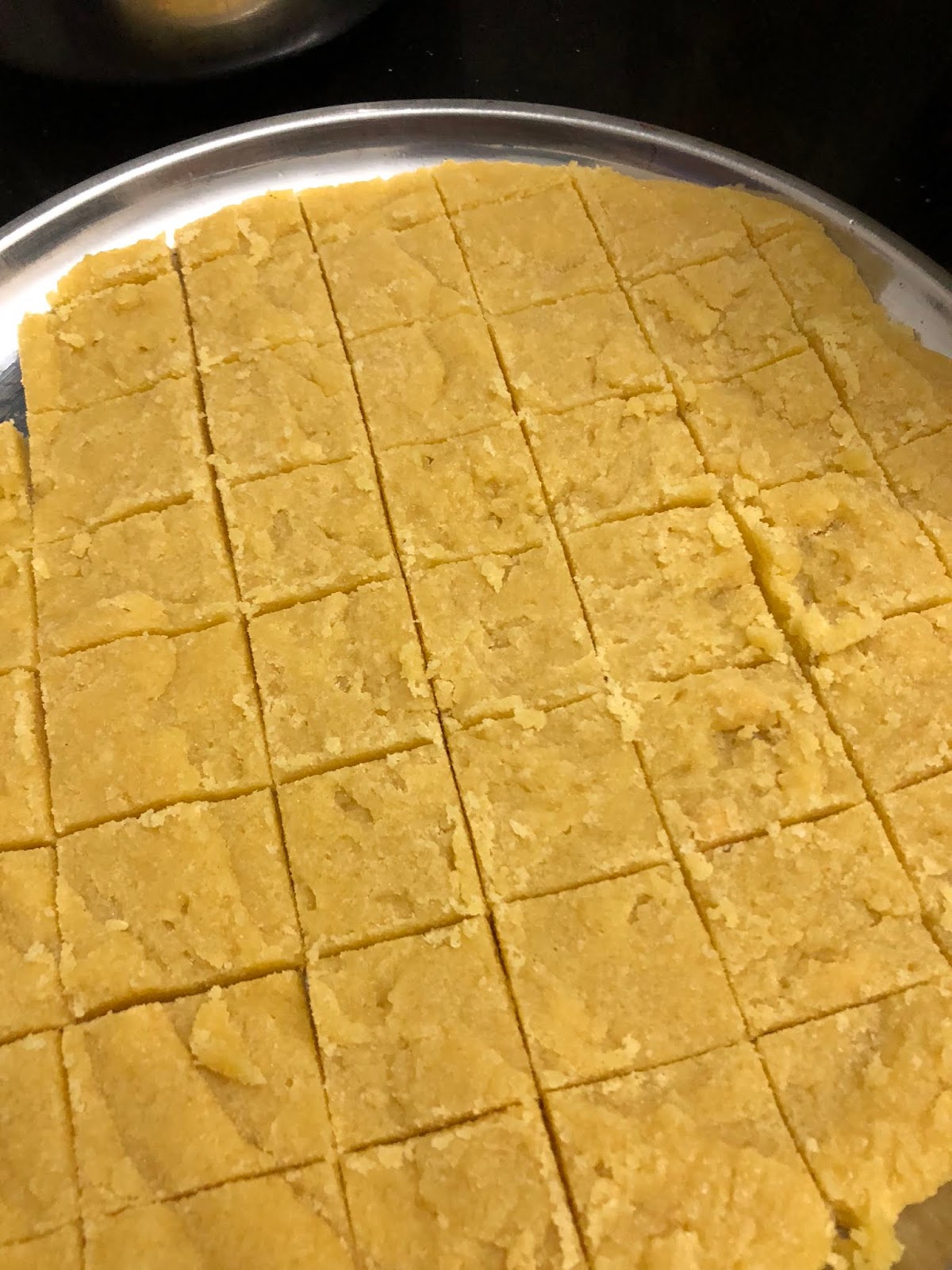
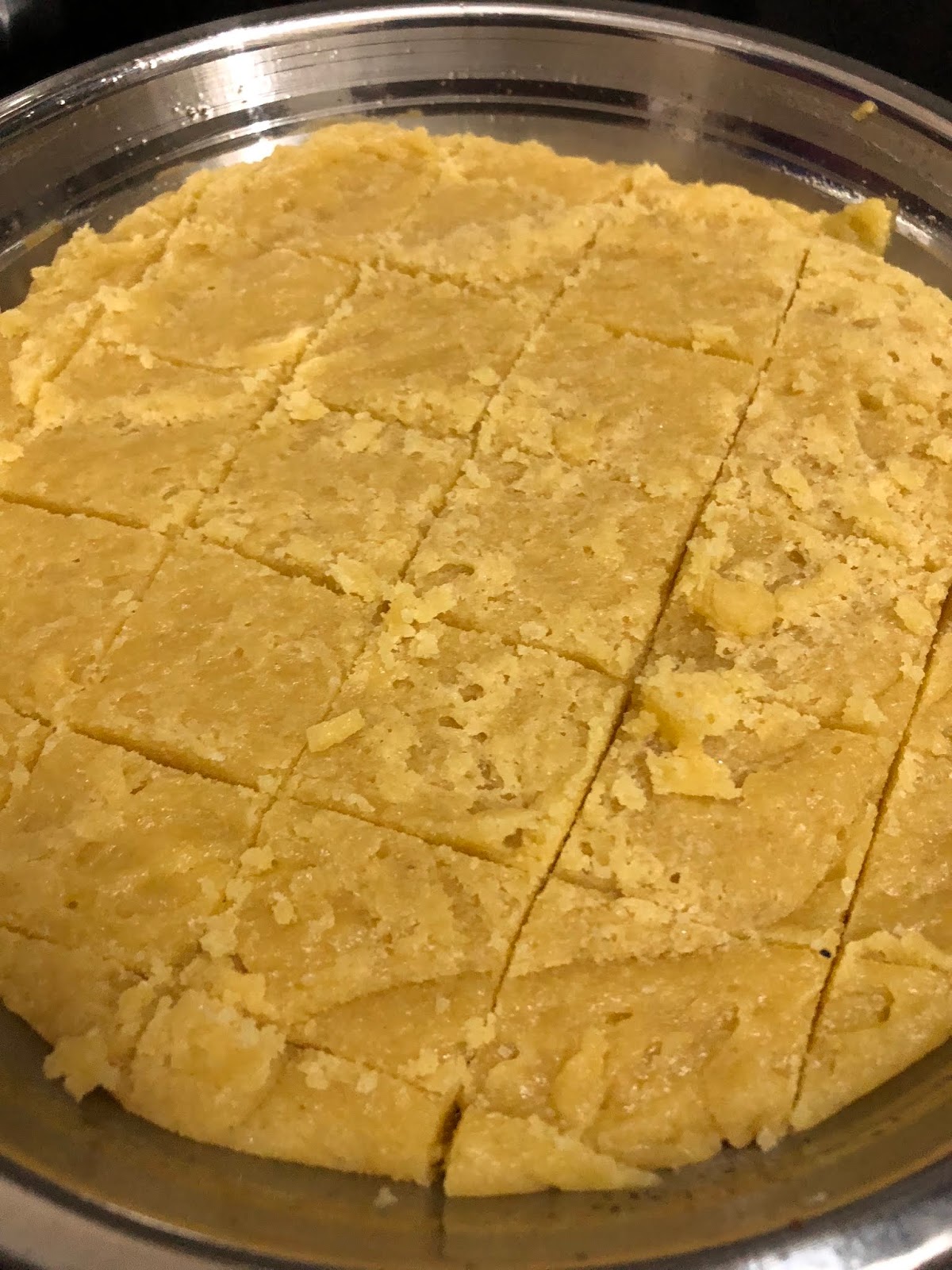
Ingredients:
Besan (Kadala Maavu) : 1 tumbler
Sugar : 2.5 tumbler
Pure fresh Ghee (Desi Ghee) : 2-3 tumbler (melted and warm)
(Note : 1 tumbler =~ 200ml apprx)
Method:
1. Sieve the besan once to avoid lumps.
2. Take a thick bottom kadhai/pan, pour 1/4 tumbler water into it, add sugar to it and keep stirring till sugar melts.
3. Add 1 tbsp of milk. It will boil and settle on the top along with the impurities (brownish white). Remove it gently with a ladle or spoon.
4. Now let the sugar syrup boil (keep stirring often) till we get 1-string-consistency. (How to check - Wet your index finger and thumb finger with water , take little amount of the sugar syrup with a spoon, touch it with your index & thumb finger. Now if you slowly tap your index finger with the thumb finger, you should be able to see one string formed in between.)
5. Now add the besan slowly and keep stirring simultaneously. Mix well and make sure no lumps are formed. The flour should blend well with the sugar syrup. In sometime it will start boiling.
6. Now add one ladle of melted ghee, you will see that boiling will stop and again within minutes it will boil again. Repeat this step till you have used 3/4th of the ghee quantity.
7.You will see that the mixture will thicken, tighten and start becoming non-sticky and will not stick to the pan. Add the remaining melted ghee, keep stirring fast continuously. Please have your full focus on it.
8.The mixture will boil with bubbles making it look like whitish light cream colour. This is the texture or colour you need to wait for and once seen, immediately pour the mixture into an aluminium tray (or stainless steel tray) greased with ghee all over.
9. Make it even with the help of the ladle or spoon. Since its very hot, best is to move the tray up and down sideways and it will settle down evenly. But please do not tap the tray in an attempt to evenly spread the mixture.
10. After 10 min, the mixture will be still hot. Cut it into cubes and then allow the mixture to cool for around half an hour.
11. Remove the cubes from the sides first which will make it easy to remove all. Store in air tight container.
Note : In Step 8, if you remove the mixture from the flame before achieving the right texture, it will be sticky and the sweet will not be good. But if you remove it late, it will harden and again the sweet will not be good.
Pottu Kadalai Ladoo (Roasted bengal gram)

Ingredients:
Pottu kadalai(Rasted Bengal gram) : 1tumbler
sugar : 1 tumbler
Elaichi/elakkai : 4
Pure ghee (desi ghee) : 100g
Method:
Take a kadhai/pan and heat it well. Add Pottu kadalai into it and dry roast it for 4-5 min. (No need to wait for colour to change). Switch off the flame and allow it cool.
Grind the pottu kadalai into smooth powder.
Then grind sugar into smooth powder.
Now mix the pottu kadalai powder and powdered sugar. Add elaichi powder and melted ghee.
Mix very well and make ladoos out of it.
If you feel you are unable to form ladoos and that it breaks, add little more melted ghee.
This is a quick and easy sweet recipe. Like 'Besan laddoo' is a quick north Indian sweet, this one is the quick south side sweet recipe. Usually cashewnuts are added for 'Rava Laddoo', but you can also add grated/broken assorted nuts (like badam, pista, kishmish) as per your taste. If all the ingredients used are fresh, you can store this laddoo for 15-20 days. But note that if you are adding kishmish, then it may not stay for so long, you will have to consume it soon.
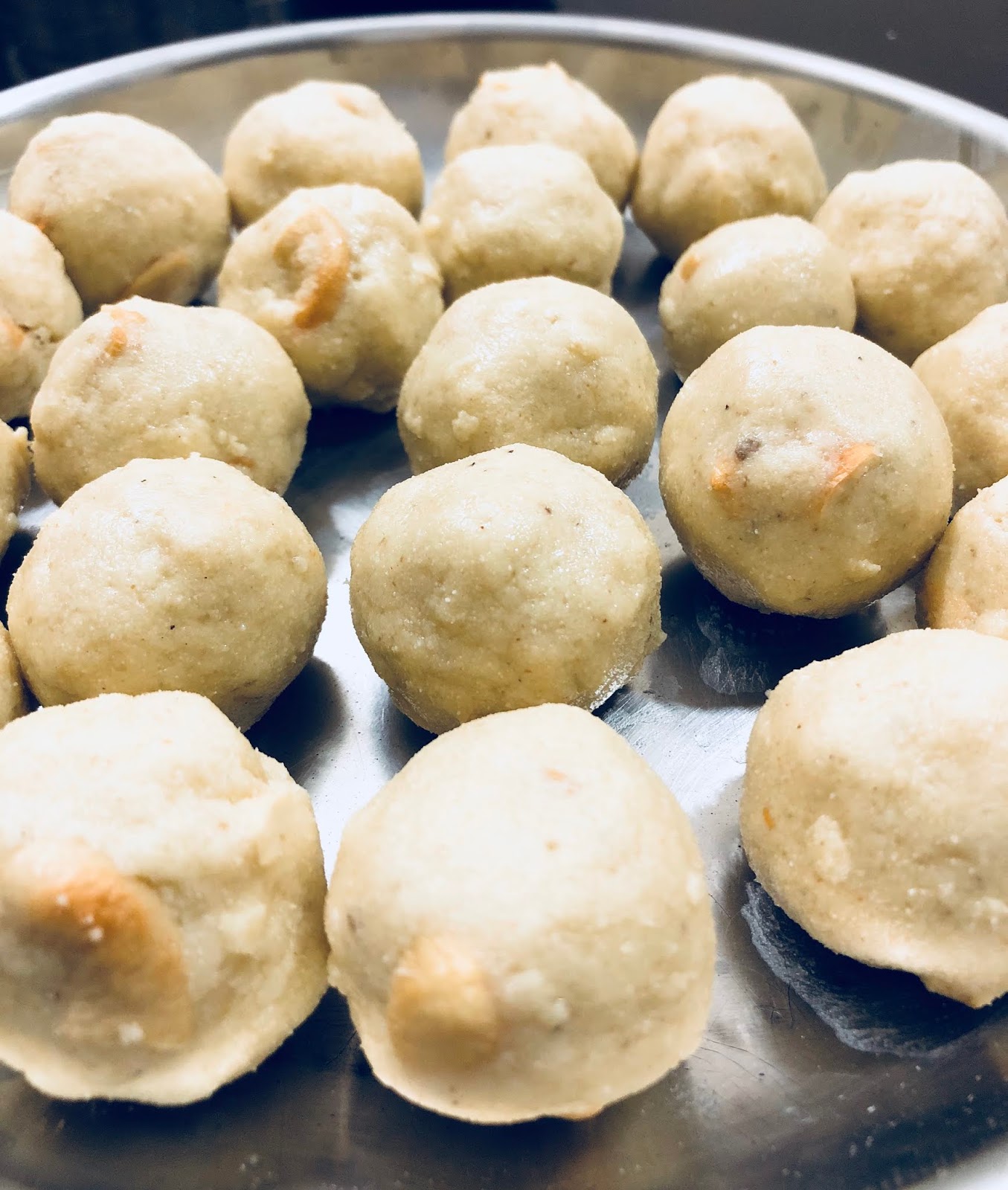
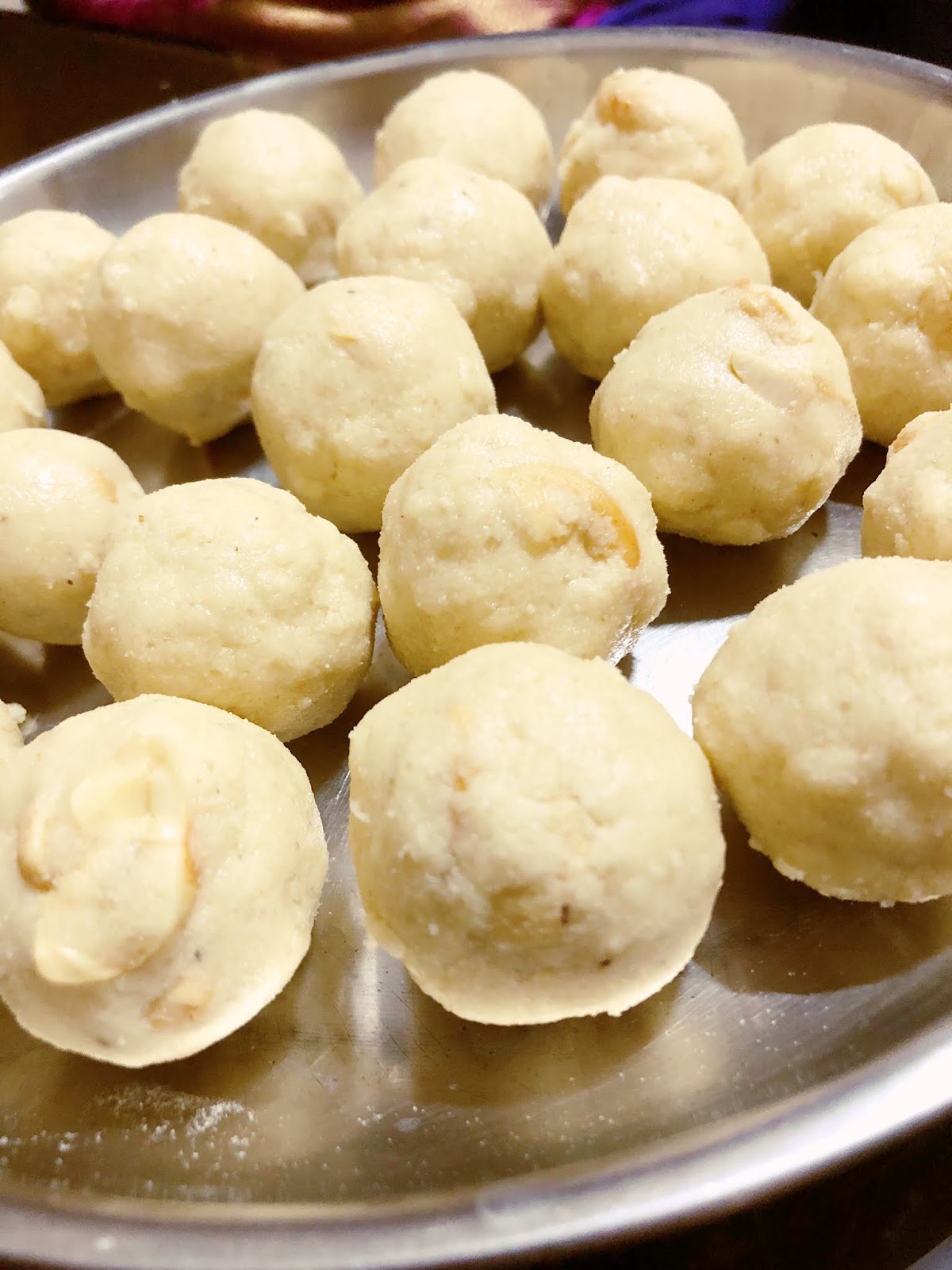
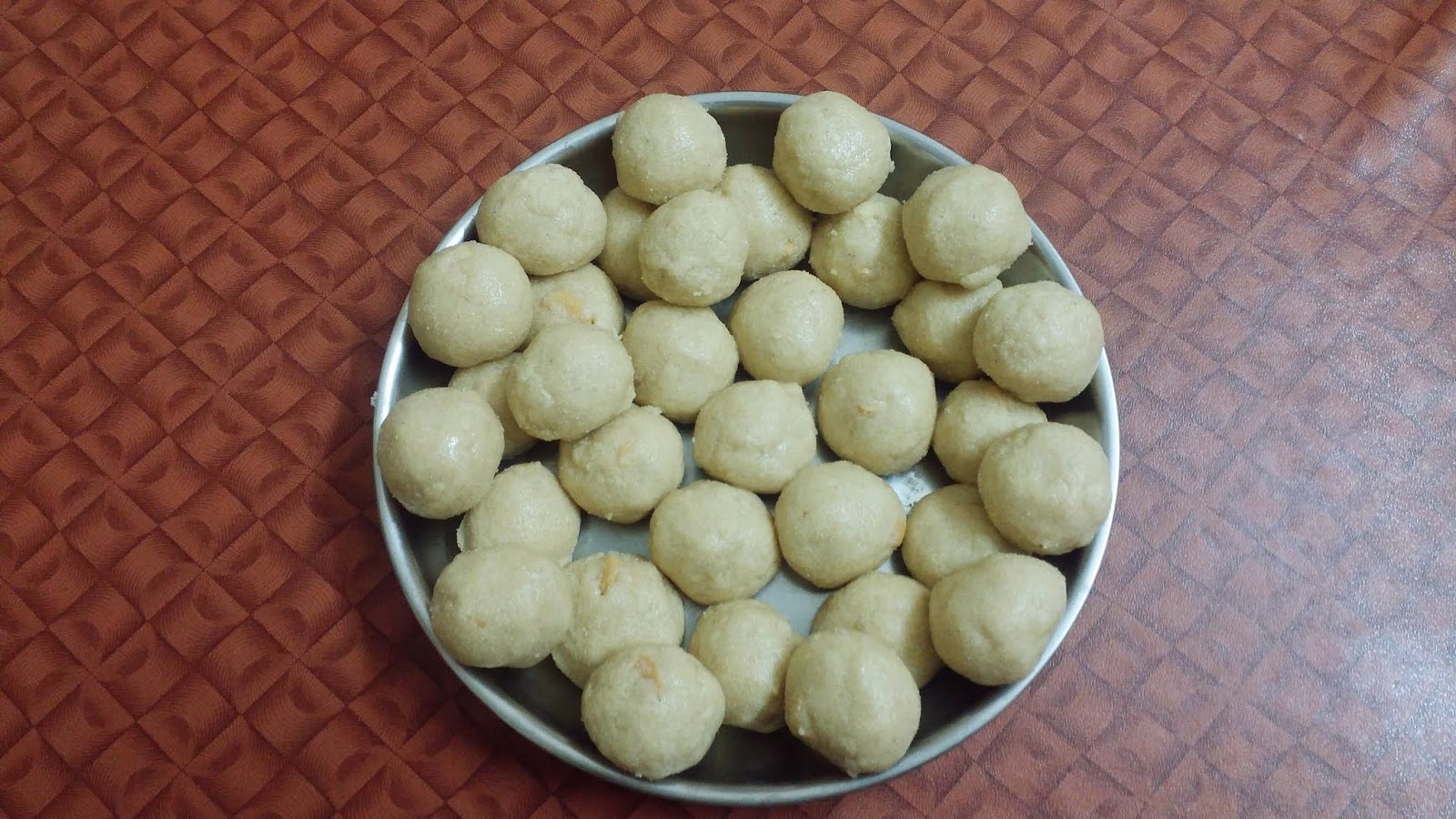
Ingredients :
Rava : 1 cup
Sugar : 1.5 cup (you can adjust as per taste)
Elaichi : 4
Desi ghee : 100g
Edible Camphor/pachai Karpooram/Kapur : pinch (optional)
Kaju/Cashewnut : few
Note: If you like you can add assorted nuts like badam, pista, kishmish.
Method:
1. Take a kadhai/pan. Add rava and dry roast it till it lightly changes colour.
2. Allow the rava to cool.
3. Grind rava into fine powder. Sieve it.
4. Then grind sugar into fine powder.
5. Now mix both powdered rava and sugar. Add Elaichi powder, powdered camphor(optional) and melted ghee. Mix well and make ladoos out of it.
Note: if you add even little bit excess of camphor, its flavour will dominate and spoil the taste, so make sure it is just pinch
6. If you feel you are unable to form the laddoos and that it breaks, add little more melted ghee.
Badam Burfi
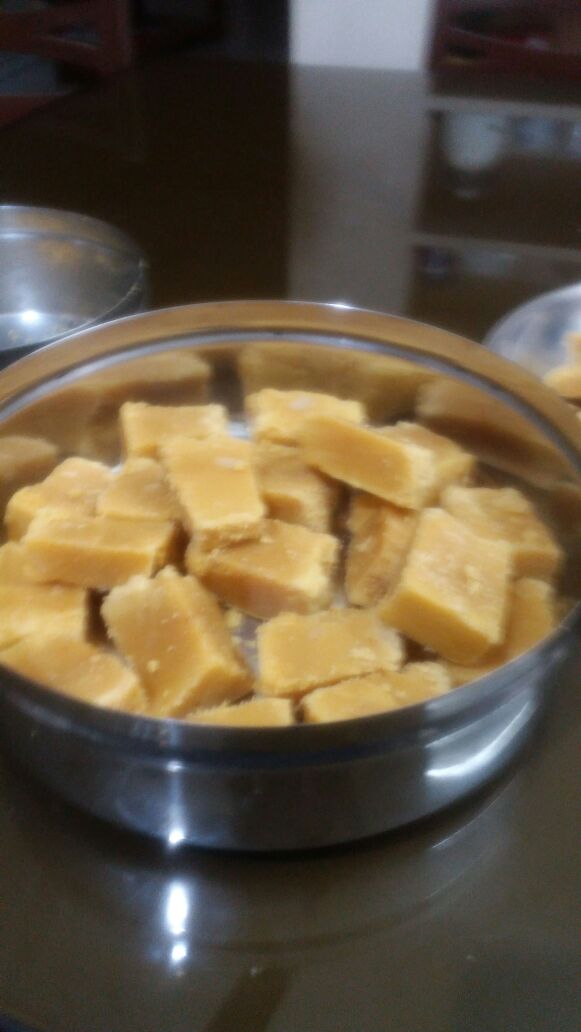
Ingredients:
Badam : 200g
Sugar : 400g
Ghee : 200ml approx (melted and warm)
Method:
1. Take enough water in a vessel and bring it to boil. Once it starts boiling, add the badam, close the vessel with lid and switch off the flame. Wait for 1.5 to 2 hours.
2. Drain the excess water, peel the skin of all badams and allow them to become little dry.
3. Grind these badams into a little coarse powder(i.e. not smooth paste). Add little milk while grinding (to get an even coarse powder).
4. Heat a thick bottom kadhai/pan, add the sugar into it. Add 2-3 tbsp of water. The sugar will melt.
Keep stirring the mixture and let the sugar syrup boil for 5-7 min.
5. Then add the badam powder and mix well and make sure no lumps are formed.
6. Once the mixture starts boiling, add 2-3 tbsp of warm melted ghee and stir. The boiling will slow down and again come back to normal. Again add 2-3 tbsp of ghee and keep repeating this step.
7. Slowly the badam mixture will become non-sticky and soon it will turn into a lighter shade. Once you see this colour change, switch off the flame and transfer it into a greased aluminium tray (or any tray greased with ghee all over). Move the tray up and down sideways to make it spread evenly. (Use a big spoon if needed to even it.)
8. Wait for 10 min and cut it into pieces. Allow it to cool down completely.
9. Remove the pieces from the sides first so that the others come out easily.
Kaju Burfi (Katli)
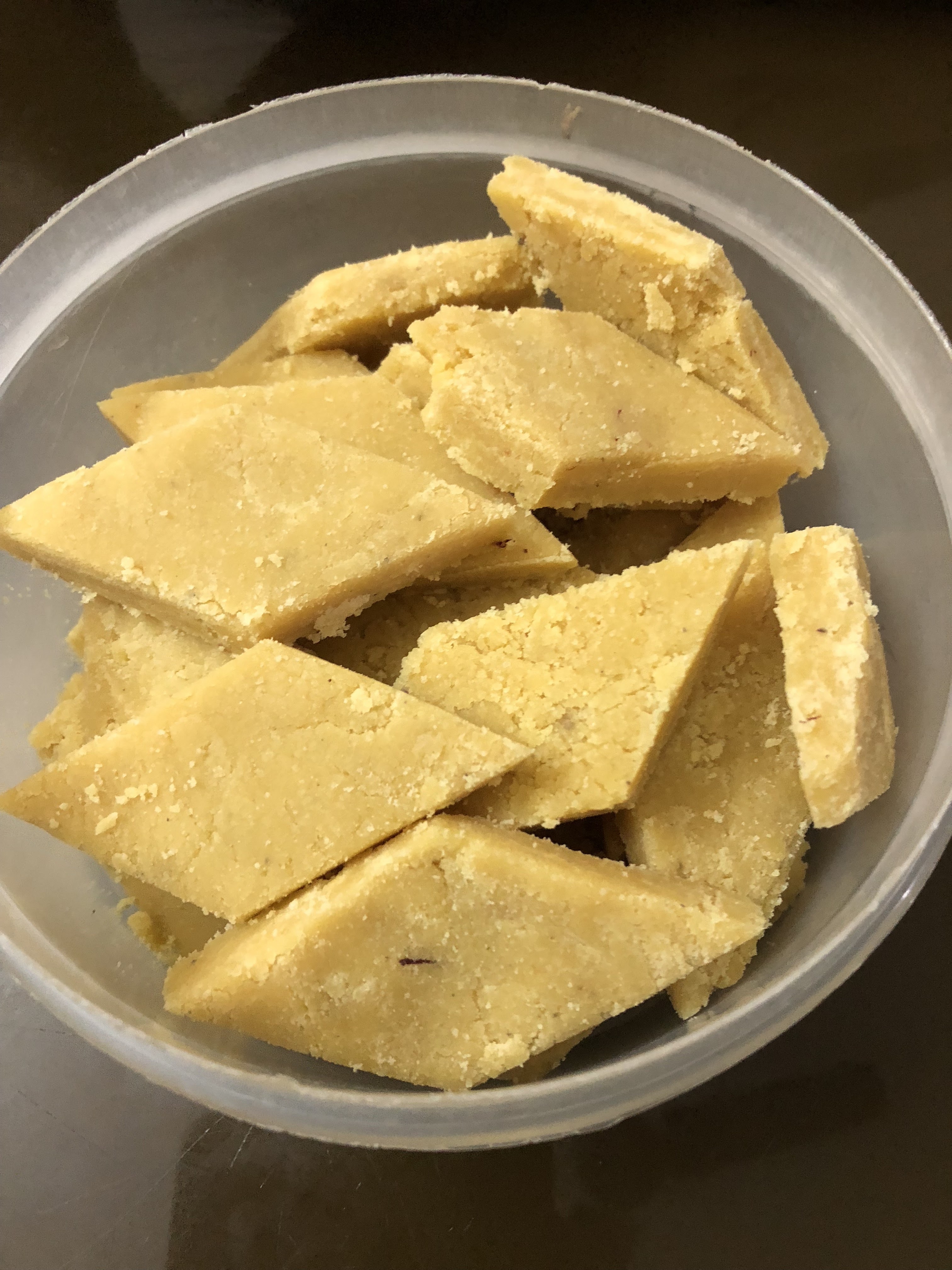
Kaju : 200g
Sugar : 400g
Ghee : 200ml approx
Silver foil (optional)
Method:
1. Break the kaju into halves. Heat a thick bottom pan/kadhai very well and switch the flame off. Immediately add the kaju and dry roast it for 1 to 2 min.
3. Grind these kajus into a little coarse powder(i.e. not very smooth powder).
4. Heat a thick bottom kadhai/pan, add the sugar into it. Add 2-3 tbsp of water. The sugar will melt.
Keep stirring the mixture and let the sugar syrup boil for 5-7 min.
5. Then add the kaju powder and mix well and make sure no lumps are formed.
6. Once the mixture starts boiling, add 2-3 tbsp of warm melted ghee and stir well. The boiling will slow down and again come back to normal. Again add 2-3 tbsp of ghee and keep repeating this step.
7. Slowly the kaju mixture will become non-sticky and while stirring it will not stick to the pan at all. Switch off the flame and transfer it into a greased aluminium tray (or any tray greased with ghee all over). Move the tray up and down sideways to make it spread evenly. (Use a spoon if needed to even out.) This spread has to be thin. So choose a tray which is long enough to allow you achieve a thinner spread. Apply the silver foil on top of it.
8. Wait for 10 min and cut it into pieces. Allow it to cool down completely.
9. Remove the pieces from the sides first so that the others come out easily.
Note: You can also mix kaju and badam and make kaju-badam-burfi. For your ease, I have again mentioned its recipe as below.
Kaju Badam Burfi
Ingredients:
Kaju : 100g
Badam : 100g
Sugar : 400g
Ghee : 200ml approx
Method:
1. Take enough water in a vessel and bring it to boil. Once it starts boiling, add the badam, close the vessel with lid and switch off the flame. Wait for 1.5 to 2 hours.
2. Drain the excess water, peel the skin of all badams and allow them to become little dry.
3. Grind these badams into a little coarse powder(i.e. not smooth paste). Add little milk while grinding (to get an even coarse powder).
4. Break the kaju into halves. Heat a thick bottom pan/kadhai very well and switch the flame off. Immediately add the kaju and dry roast it for 1 to 2 min.
5. Grind these kajus into a little coarse powder(i.e. not very smooth powder).
6. Heat a thick bottom kadhai/pan, add the sugar into it. Add 2-3 tbsp of water. The sugar will melt.
Keep stirring the mixture and let the sugar syrup boil for 5-7 min.
7. Then add the kaju and badam powder and mix well and make sure no lumps are formed.
8. Once the mixture starts boiling, add 2-3 tbsp of warm melted ghee and stir well. The boiling will slow down and again come back to normal. Again add 2-3 tbsp of ghee and keep repeating this step.
9. Slowly the kaju-badam mixture will become non-sticky and while stirring it will not stick to the pan at all. Switch off the flame and transfer it into a greased aluminium tray (or any tray greased with ghee all over). Move the tray up and down sideways to make it spread evenly.
10. Wait for 10 min and cut it into pieces. Allow it to cool down completely.
11. Remove the pieces from the sides first so that the others come out easily.
Semiya Payasam
Ingredients:
Semiya : 1 cup
Sugar : 1.5 cup
Milk : 0.5 litre
Elaichi/Elakkai : 4-5
Ghee : 3-4 tsp
Kaju : 9-10
Kishmish/Dry grapes : 7-8
Pachai Karpooram (edible camphor) : 1 tuwar dal size (Optional)
Note : Elaichi and Camphor enhance the fragrance and also aid in digestion.
Method:
1. Heat 1-2 tsp of ghee in a pan and roast the semiya in it for 1 min.
2. Boil 2 cups of water, add semiya into it and mix well.
3. Allow it to boil (stir often) till the semiya is 3/4th cooked.
4. Add sugar and boil for 8-10 min. Keep stirring often. (Meanwhile boil milk separately).
5. Switch off the flame and add milk. Add powdered elaichi and camphor.
6. Break the kajus into half. Roast them in ghee in a pan till golden in colour. Add kishmish into the pan and switch off the flame. Add this to the payasam.
The above is the traditional method for semiya payasam. But you can also try the below method. It gives a creamier taste.
1. Heat 1-2 tsp of ghee in a pan and roast the semiya in it for 1 min.
2. Boil 750 ml milk. Once milk tries to overflow, stir continuously on low to medium flame and add semiya into it. Mix well.
3. Allow it to boil (stir often) till the semiya is 3/4th cooked.
4. Add sugar and allow it to boil till the semiya gets cooked properly.
(note : In step3&4 the milk becomes thicker and hence gives a creamier taste).
5. Switch off the flame and add elaichi powder. (and camphor powder)
6. Break the kajus into half. Roast them in ghee in a pan till golden in colour. Add kishmish into the pan and switch off the flame. Add this to the payasam.
Jevvarisi (Sabudana) Payasam
Ingredients:
Sabudana : 1 cup
Sugar : 1.5 cup
Milk : 0.5 litre
Elaichi/Elakkai : 4-5
Ghee : 3-4 tsp
Kaju : 9-10
Kishmish/Dry grapes : 7-8
Pachai Karpooram (edible camphor) : 1 tuwar dal size (Optional)
Note : Elaichi and Camphor enhance the fragrance and also aid in digestion.
Method:
1. Heat a pan and dry roast the sabudana in it for 1 min (Pls add subadana only after the pan is hot).
2. Boil 2-3 cups of water, add sabudana into it and mix well.
3. Allow it to boil (stir often) till the sabudana is 3/4th cooked.
4. Add sugar and boil for 8-10 min. Keep stirring often. (Meanwhile boil milk separately).
5. Switch off the flame and add milk. Add powdered elaichi and camphor.
6. Break the kajus into half. Roast them in ghee in a pan till golden in colour. Add kishmish into the pan and switch off the flame. Add this to the payasam.
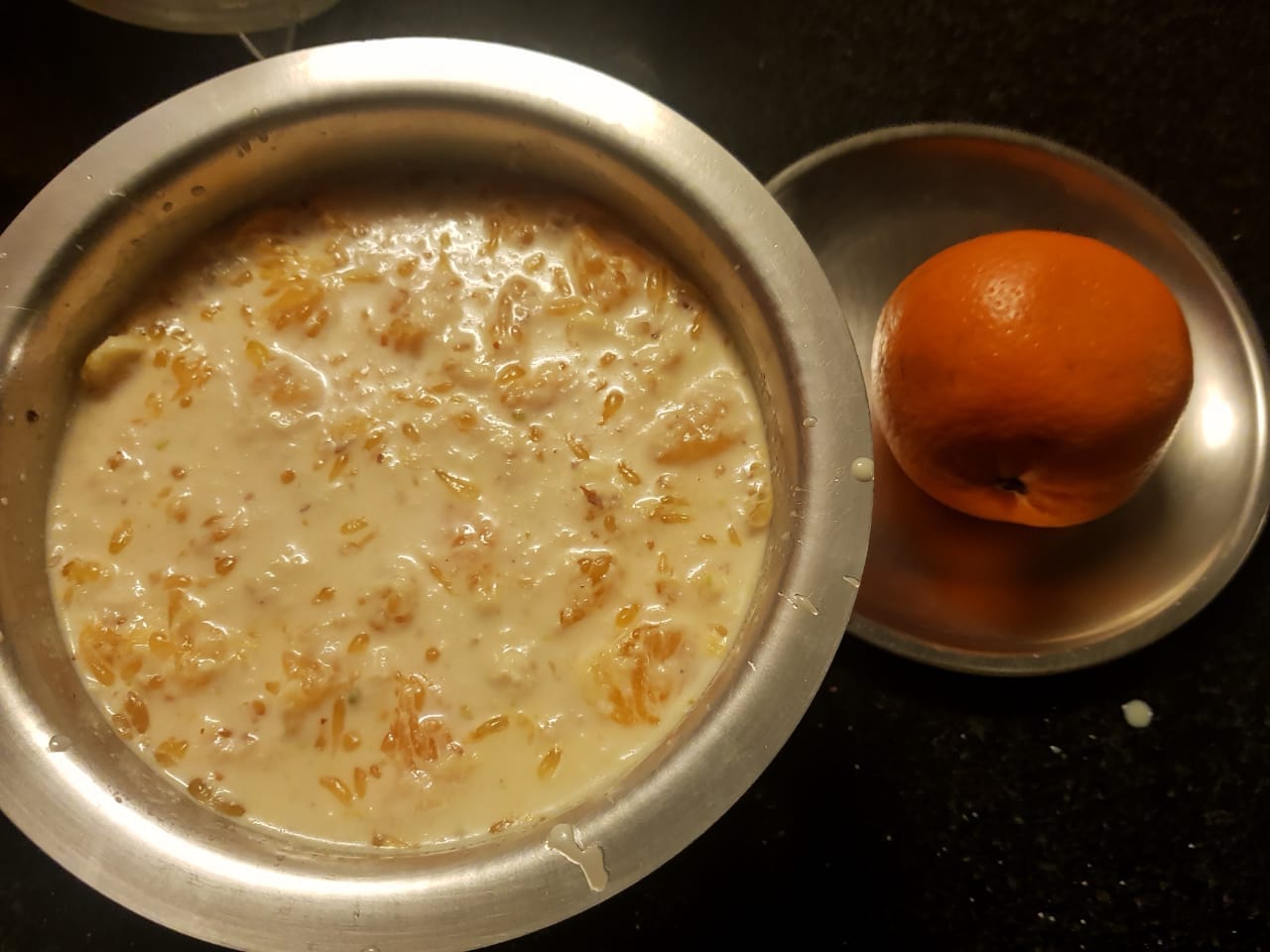
Orange Payasam
Kids will love this payasam (kheer). Orange with its sweet and sour nature gives a unique but yummy taste to the payasam. It's creamy and different! You can eat it hot/cold but eating it cold with added nuts is indeed delicious!
Ingredients :
Milk : 1 litre
Orange : 2
Sugar : 350-400 g
Elaichi : 5
Pachai Karpooram/Edible Camphor (optional): 1 tuwar dal size
Kesar : few strands
Nuts (kaju/badam/pista) : as desired (optional)
Method:
1. Peel the orange. Remove the skin & seeds. We need only the pulp. Keep it aside.
2. Boil milk till it becomes close to half of its initial quantity (half litre). Transfer 1-2 tsp of this milk into a separate cup, add kesar to it and keep it aside.
3. Add sugar to the milk. Mix well. This will again increase the quantity. Allow the mixture to boil till it again reduces to half litre (i.e. half of initial quantity).
4. Add powdered elaichi and edible camphor. (Please note that edible camphor is optional. Dont add it more than the mentioned quantity, else it will give a strong flavour and spoil the taste.)
5. Add the kesar which we had kept aside in a cup in step 2. Add it to the payasam. Also add grated cashew, badam and pista to the payasam. (nuts are optional, but adding them enhances the taste)
6. Boil for 15 sec and switch off the flame.
7. Allow it to cool down. (almost to the room temperature)
8. Add orange pulp to the payasam. Mix well. Serve it hot/cold as you like it!
Note : If you do not perform step 7 properly, milk might turn sour due to heat since orange is citric by nature.
You can keep this payasam outside if you are going to consume it within an hour. Else keep it in the refrigerator. You can store it for 2 days in the refrigerator.
Carrot Payasam
Ingredients
Carrot : 1/4 kg
Milk : 0.5 litre
Sugar : 200g
Ghee : 5-6 tsp
Elaichi : 4-5
Pachai Karpooram (Edible camphor) : 1 tuwar dal size
Kaju :7-8
Pista chopped for garnish
Chironji/Saara paruppu : for garnish
Method:
1. Roughly chop the carrots. Saute them in 3-4 tsp Ghee till half cooked. Then allow it to cool down.
2. Boil milk till it reduces to half of its quantity.
3. Add sugar. This will increase the quantity. Again allow it to boil till it becomes half of the present quantity.
4. Grind the carrots and add it to the milk-sugar mixture. Mix well and allow it to boil for 3-4 min.
5. Add powdered elaichi and camphor.
6. Boil for 15 sec. Turn off the flame.
7. In another small pan, heat 2 tsp ghee, saute kaju, chironji and pista till they turn golden. Add it to the payasam.
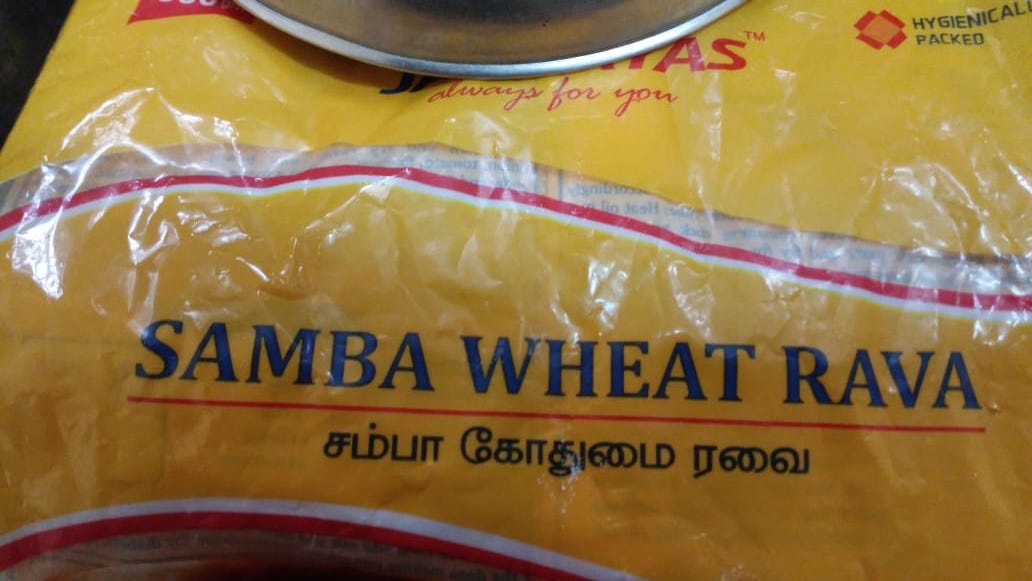
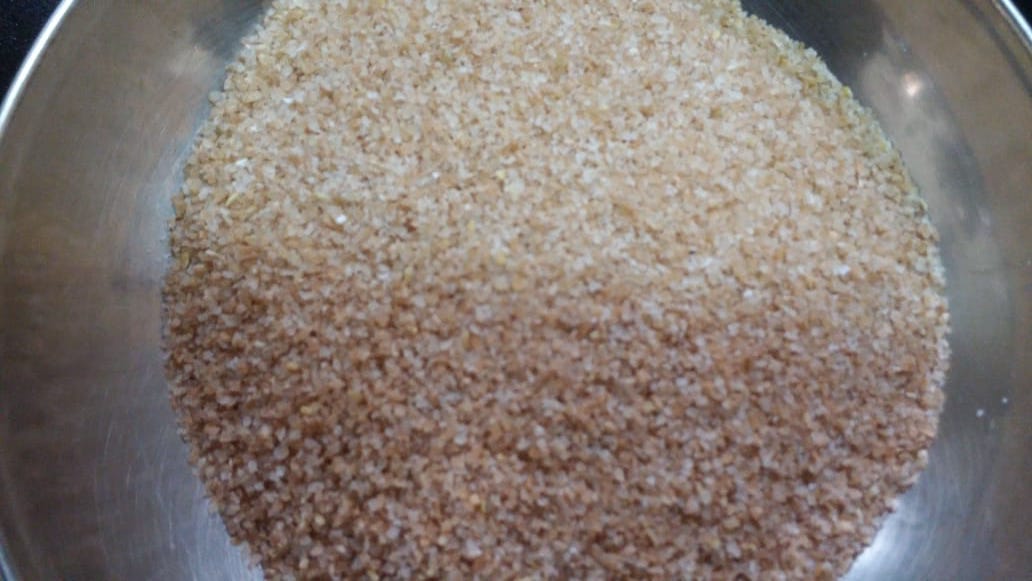
Samba Wheat Rava Kesari
Samba wheat rava is a healthier option than the normal rava. It is nowadays easily available in market. It is rich in fiber since it is the unpolished variant of rava, whereas ordinary rava is polished and hence loses many important nutrients. Samba wheat rava can be used as an alternative ingredient for all the dishes which we prepare with ordinary rava. Let's see how to make Samba wheat rava kesari or sheera.
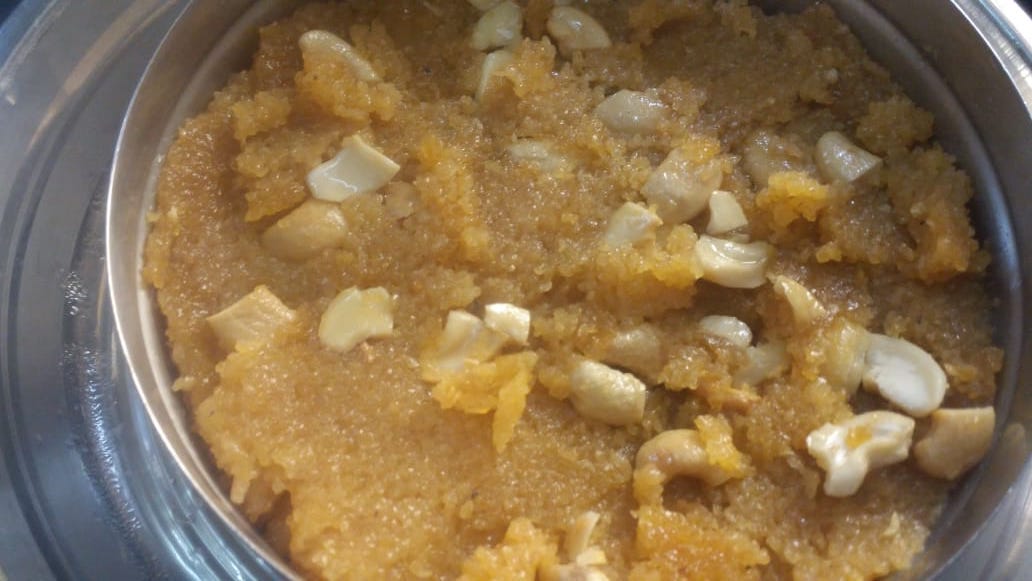
Ingredients:
Samba wheat rava : half cup
Elaichi : 4-5
Kesar (kumkum poo): 10-12 strands (soaked in 2 tbsp milk)
Edible camphor : pinch (optional, make sure u really take pinch or very very minute piece, else it's flavour will dominate and won't taste good.)
Sugar : 1 cup
Desi ghee : 1/4 cup apprx
Cashewnuts (kaju) : 15 or more (as you like it)
Kishmish (dry grapes) : 10 or more (as you like it)
Method:
1. Soak the kesar in milk and keep it aside.
2. Saute the cashew nuts & kishmish in 2-3 tsp ghee till cashews turn golden brown. Keep them aside.
3. Pour 1:3 water in a vessel (we took half cup wheat-rava, so take 1.5 cups water) and put it on flame. Till the water starts boiling, let's parallely roast our wheat rava. Heat 5tbsp of ghee in a pan/kadhai, add and roast the samba wheat rava till slight colour change. (First rava will become sticky when added to ghee, but as you roast it will slowly turn dry and you will notice slight colour change). Now keep flame in sim to medium range, then add the boiling water to the wheat-rava and mix and keep stirring well. Make sure no lumps are formed.
4. Continously stir and within 2-3 min, wheat-rava will soak all water, check wether wheat-rava got cooked. (Take one granule of the rava for sample and press it to check if it is getting mashed properly)
5. Add sugar, keep stirring. Sugar will liquidise and bind with the rava, add elaichi powder, edible camphor, kesar milk and the remaining ghee. Keep stirring and in 3-4 min, it will become non sticky. If you feel it has become little dry, then add some more ghee (3-4 tbsp) and stir for 1-2 min . Add the ghee roasted cashews, kishmish and mix well.
6. Switch off the flame and transfer the Kesari (sheera) to a any container, allow it to cool and then close it tight.
Note:
You can serve it hot. Heat little ghee in pan, saute the Kesari for a minute and you can serve it hot.
You can store this sweet for 3 days approximately.
If you are storing it in refrigerator, you can store it for a week.
Kesari
Lets see how to make Rava Kesari. In north of India it may be known as Sheera, but generally in the south we add kesar (and bit of food colour) which brings that wonderful orange/kesari colour and hence the name 'kesari'.
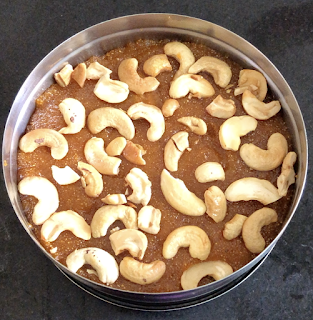
Ingredients:
Rava : half cup
Elaichi : 4-5
Kesar (kumkum poo): 8-10 strands (soaked in 2 tbsp milk, also pinch of orange food colour added)
Edible camphor : pinch (optional, make sure u really take pinch or very very minute piece, else it's flavour will dominate and won't taste good.)
Sugar : 1 cup
Desi ghee : 1/4 cup apprx
Cashewnuts (kaju) : 15 or more (as you like it)
Method:
1. Soak the kesar in milk and keep it aside. (we will be also using pinch of food colour)
2. Saute the cashew nuts in 2-3 tsp ghee till cashews turn golden brown. Keep them aside.
3. Pour 1:2 water in a vessel (we took half cup rava, so take 1 cup water) and put it on flame. Till the water starts boiling, let's parallely roast our rava. Heat 5tbsp of ghee in a pan/kadhai, add and roast the rava till slight colour change. (First rava will become sticky when added to ghee, but as you roast it will slowly turn dry and you will notice slight colour change). Now keep flame in sim to medium range, then add the boiling water to the rava and mix and keep stirring well. Make sure no lumps are formed.
4. Continously stir and within 2-3 min, rava will soak all water.
5. Add sugar, keep stirring. Sugar will liquidize and bind with the rava, add elaichi powder, edible camphor, kesar milk and the remaining ghee. Keep stirring and in 3-4 min, it will become non sticky. If you feel it has become little dry, then add some more ghee (3-4 tbsp) and stir for 1-2 min . Add the ghee roasted cashews and mix well.
6. Switch off the flame and transfer the Kesari to a any container, allow it to cool and then close it tight.
Note:
You can serve it hot. Heat little ghee in pan, saute the Kesari for a minute and you can serve it hot.
You can store this sweet for 3 days approximately.
If you are storing it in refrigerator, you can store it for a week.
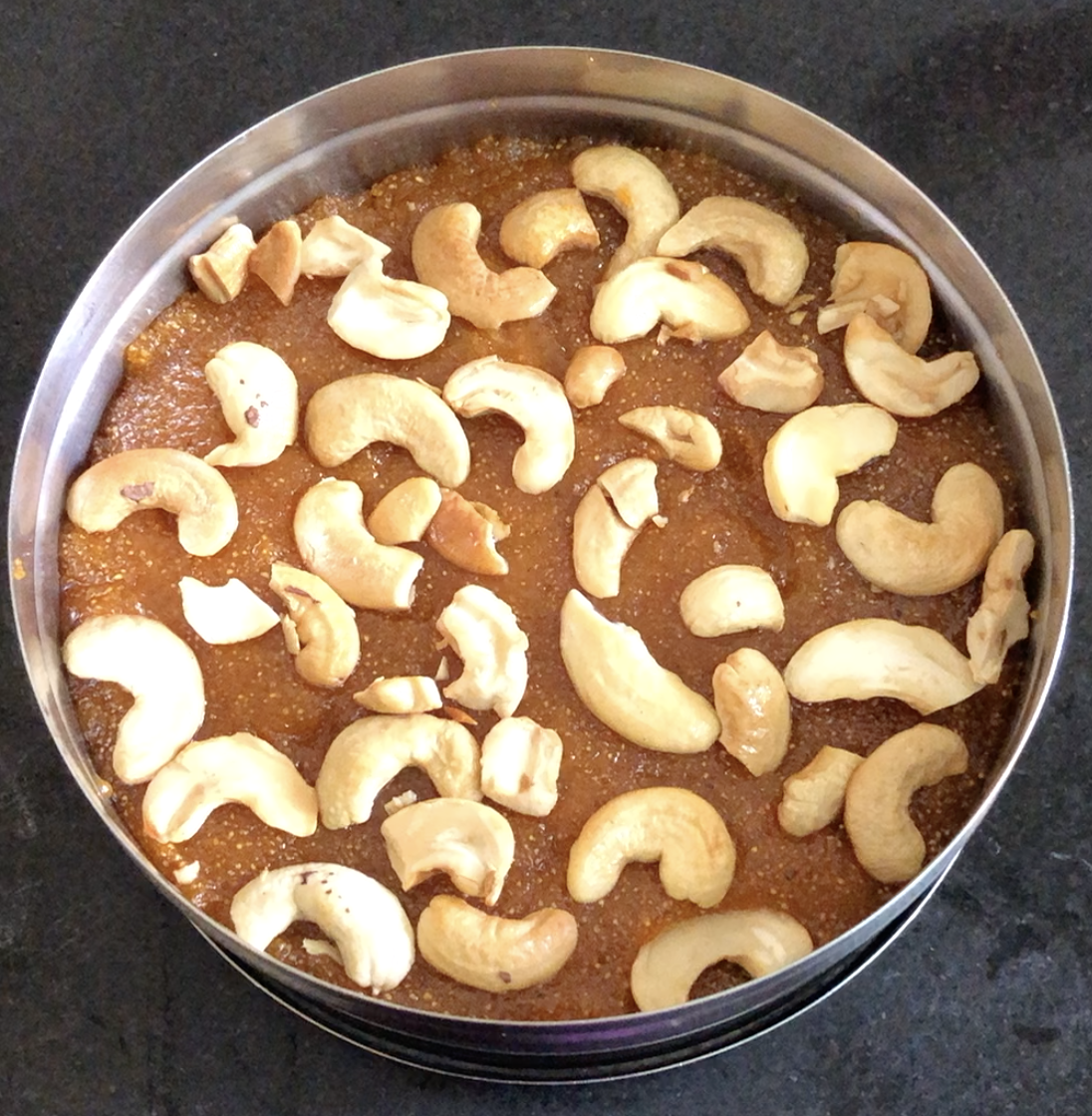
Ingredients:
Rava : half cup
Elaichi : 4-5
Kesar (kumkum poo): 8-10 strands (soaked in 2 tbsp milk, also pinch of orange food colour added)
Edible camphor : pinch (optional, make sure u really take pinch or very very minute piece, else it's flavour will dominate and won't taste good.)
Sugar : 1 cup
Desi ghee : 1/4 cup apprx
Cashewnuts (kaju) : 15 or more (as you like it)
Method:
1. Soak the kesar in milk and keep it aside. (we will be also using pinch of food colour)
2. Saute the cashew nuts in 2-3 tsp ghee till cashews turn golden brown. Keep them aside.
3. Pour 1:2 water in a vessel (we took half cup rava, so take 1 cup water) and put it on flame. Till the water starts boiling, let's parallely roast our rava. Heat 5tbsp of ghee in a pan/kadhai, add and roast the rava till slight colour change. (First rava will become sticky when added to ghee, but as you roast it will slowly turn dry and you will notice slight colour change). Now keep flame in sim to medium range, then add the boiling water to the rava and mix and keep stirring well. Make sure no lumps are formed.
4. Continously stir and within 2-3 min, rava will soak all water.
5. Add sugar, keep stirring. Sugar will liquidize and bind with the rava, add elaichi powder, edible camphor, kesar milk and the remaining ghee. Keep stirring and in 3-4 min, it will become non sticky. If you feel it has become little dry, then add some more ghee (3-4 tbsp) and stir for 1-2 min . Add the ghee roasted cashews and mix well.
6. Switch off the flame and transfer the Kesari to a any container, allow it to cool and then close it tight.
Note:
You can serve it hot. Heat little ghee in pan, saute the Kesari for a minute and you can serve it hot.
You can store this sweet for 3 days approximately.
If you are storing it in refrigerator, you can store it for a week.
Savouries
Ribbon Pakoda
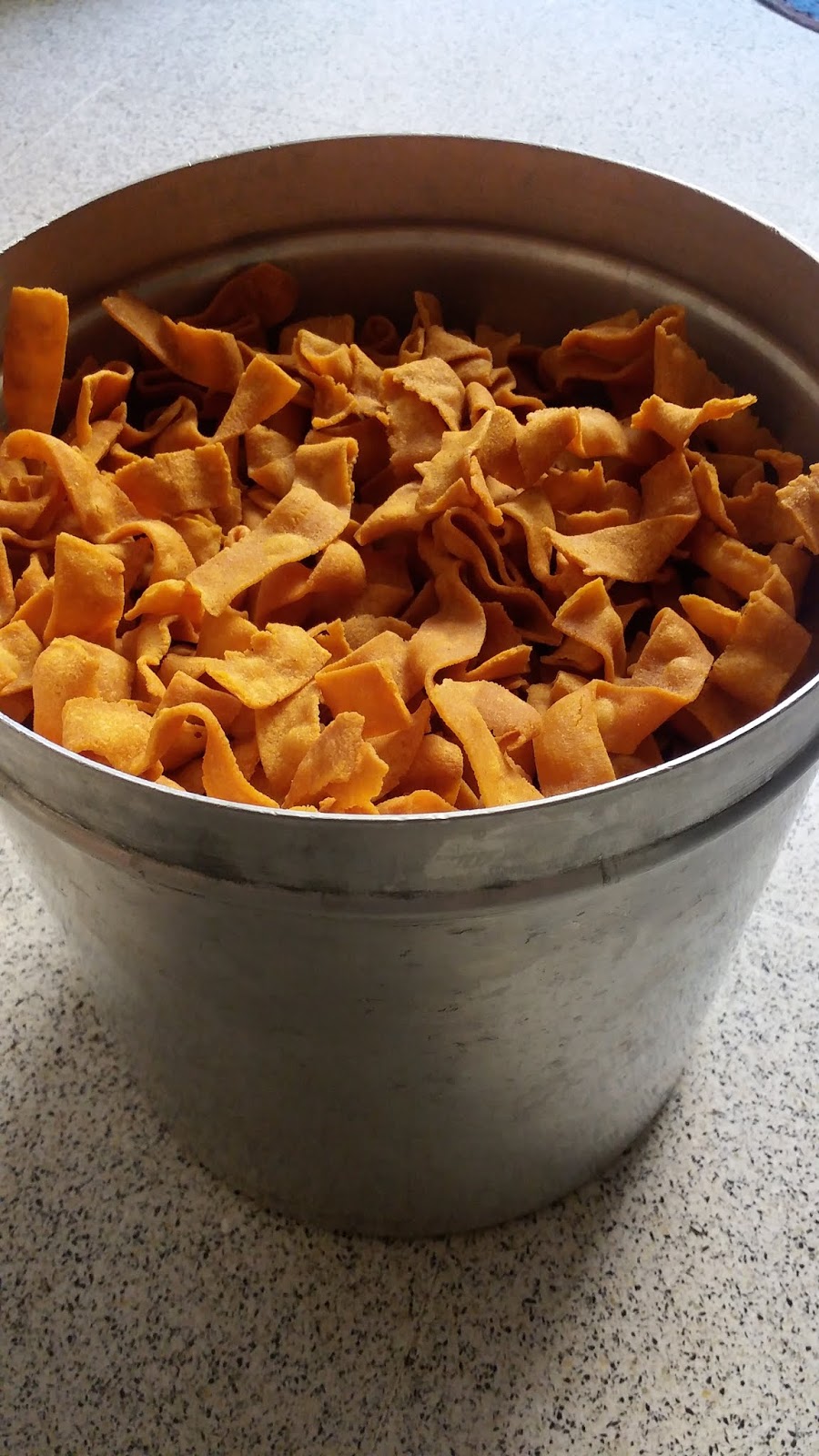
This is made of besan and is a sure part of menu during Diwali celebration. All we can say about this is 'No one can eat just one'.
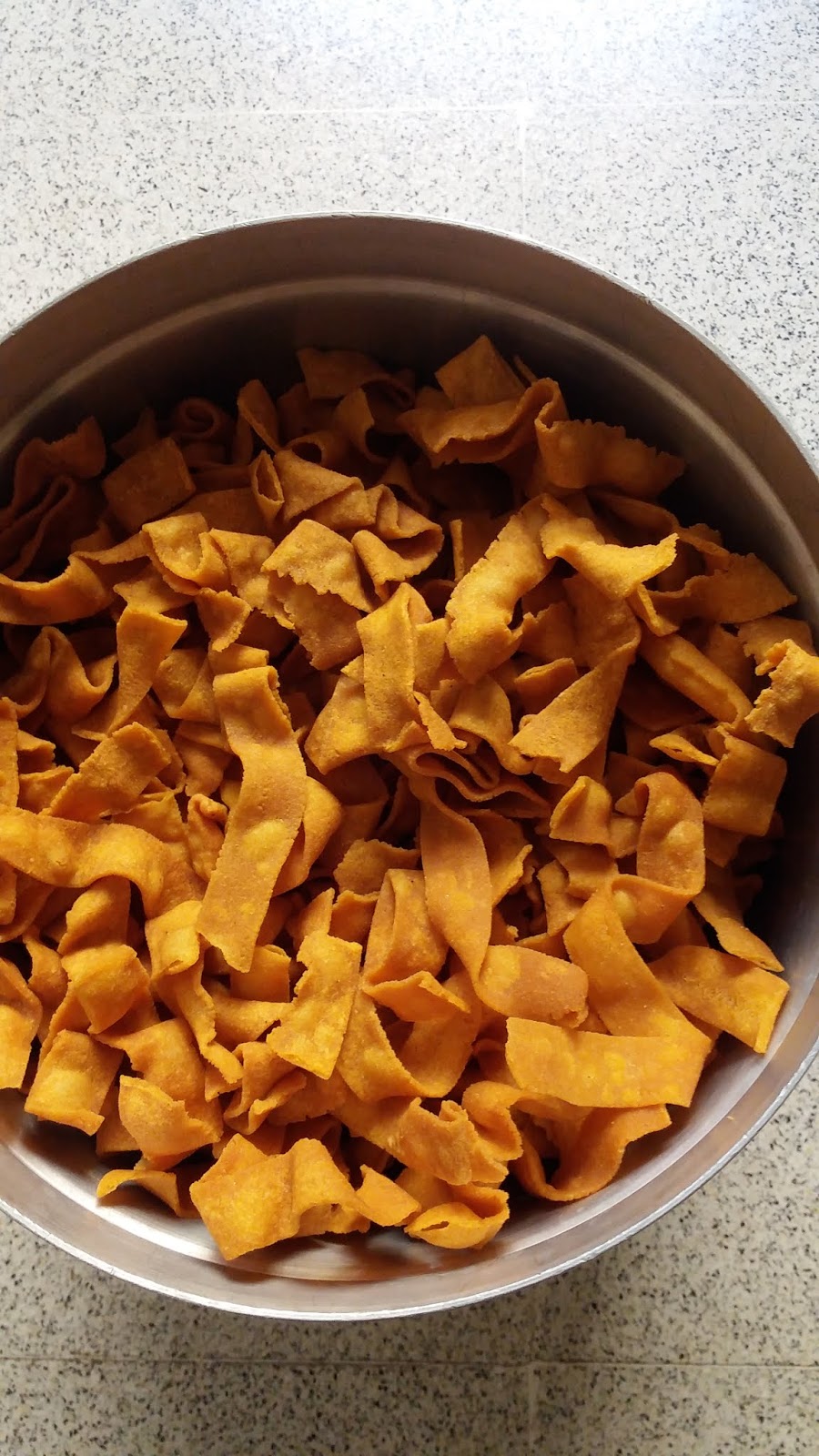
Ingredients:
Besan (kadala maavu) : 2 tumbler (1 tumbler = 200 ml apprx)
Rice flour (arisi maavu) : 1 tumbler
Red chilli powder : 2 tbsp
salt : 1.5 tbsp
Hing/asafoetida : 0.5 tsp
Cooking butter : 2 tbsp (or ghee 1.5 tbsp)
Til/seasame : 1 tsp
Method:
1. Sieve the flours separately once or twice.
2. Mix all the ingredients very well. (besan,rice flour,red chilli powder, salt, asafoetida, cooking butter, seasame)
3. Add water and knead it into a dough which is little loose/softer than chappathi dough. (but do it in portions else if you make dough with all the flour at a time, then first few pakodas will come out well, and the rest will not, it will turn dark brown. So knead small portion of flour, continue remaining steps,during step5 when pakodas are getting fried parallely knead some more dough and keep it ready and again perform step 4,5,6.)
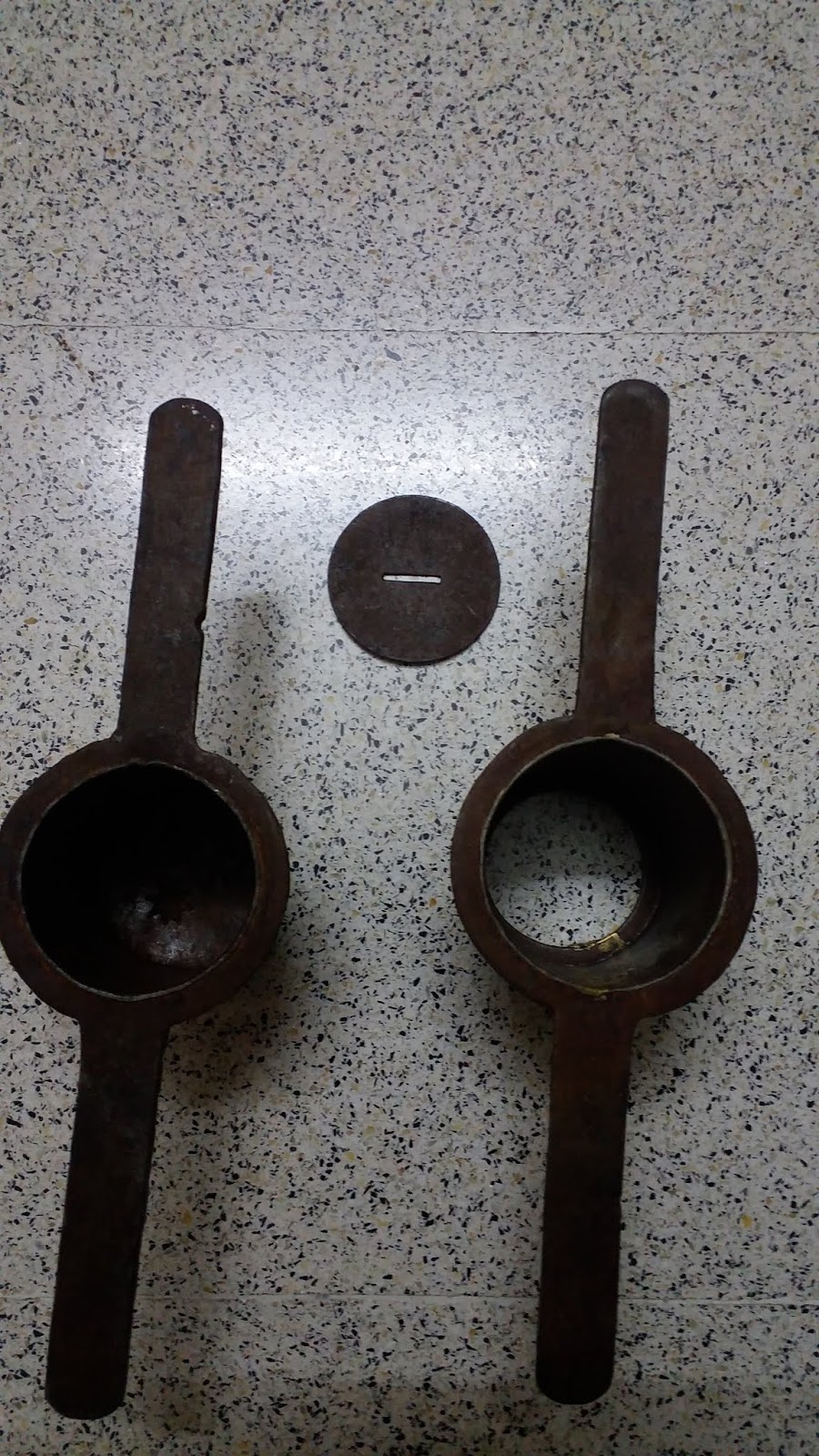
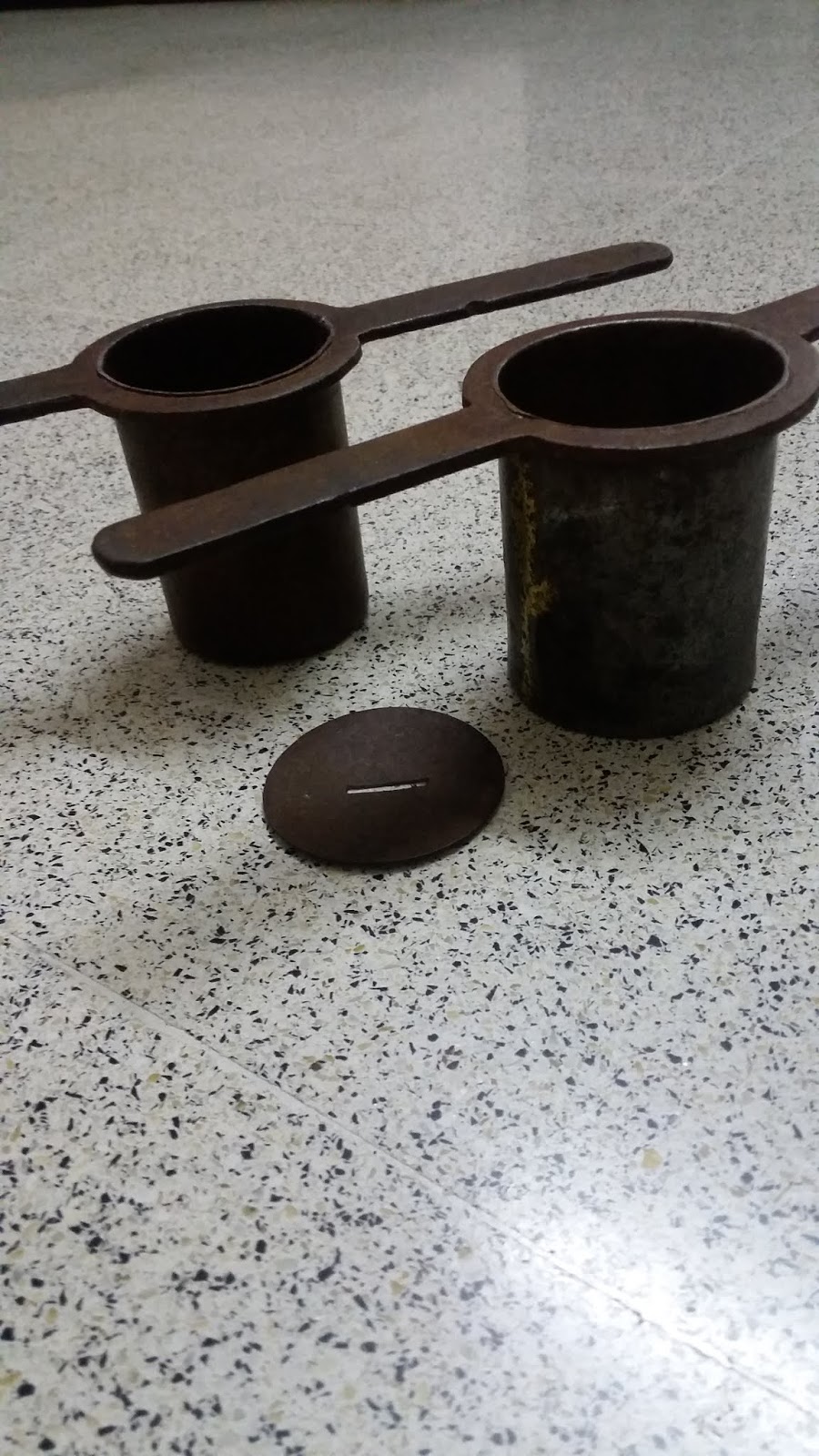
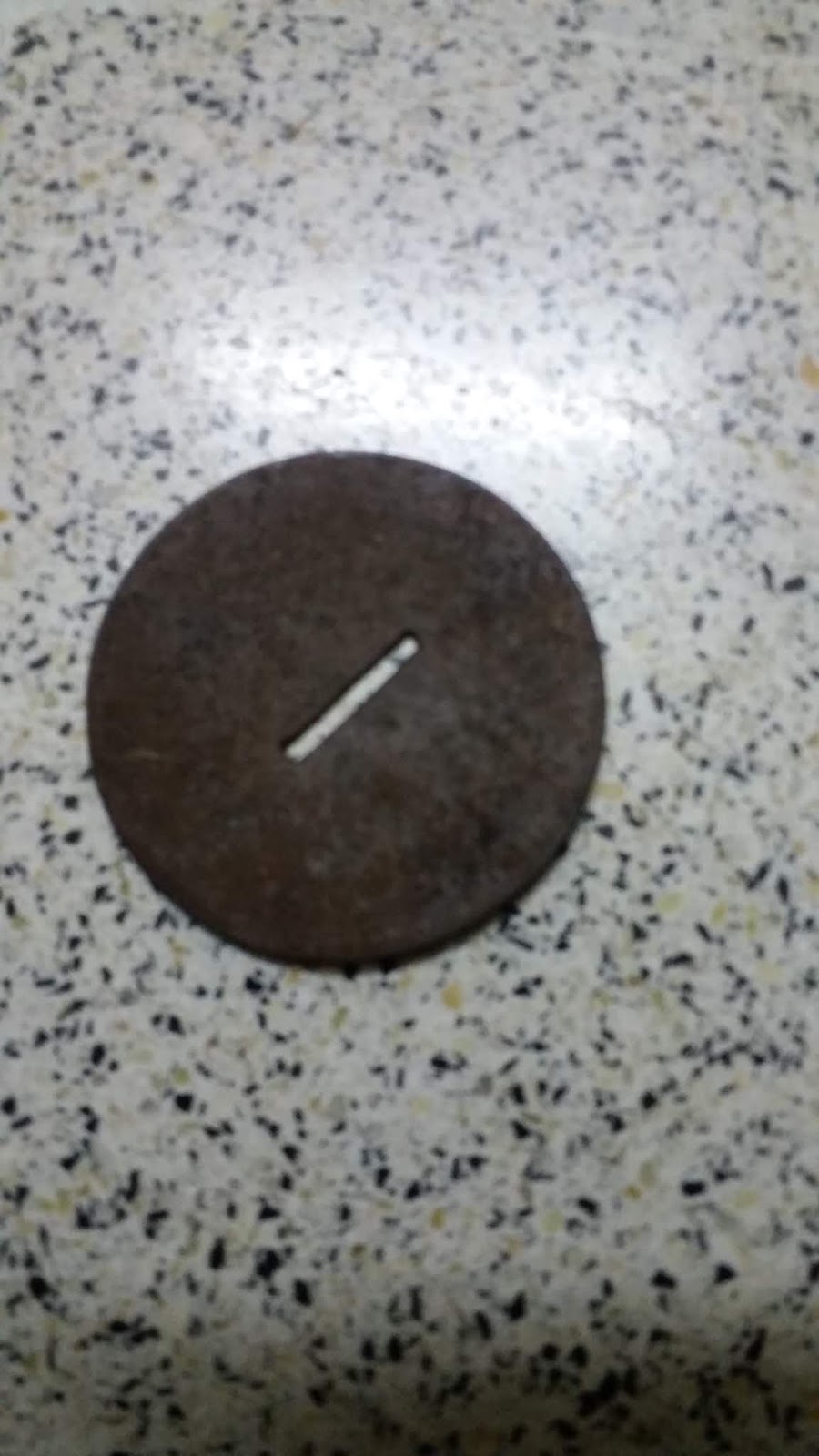
4. Heat oil in a kadhai and squeeze a portion of kneaded dough directly into hot oil using a squeezing machine (sev/chakli maker or press machine which has different disc templates. For this recipe use the disc with a thin small line). [How to check if oil is hot enough? Drop a small piece of kneaded dough into the oil, it should come up with bubbles & float.]
5. Turn/flip the squeezed pakoda accordingly so that it gets evenly fried from all sides.
Keep medium flame, if flame is low, the pakoda will absorb more oil and also will not be crisp enough. If flame is high, then pakoda will get fried from outside but not from inside and it will get burnt too. So medium flame is important.
6. When pakodas turn golden brown and bubbles fade away, remove the pakodas (let the oil get strained off well) and put it in a container with tissues. (Dont close the container till all pakodas cool down to room temperature).
Plain Murukku
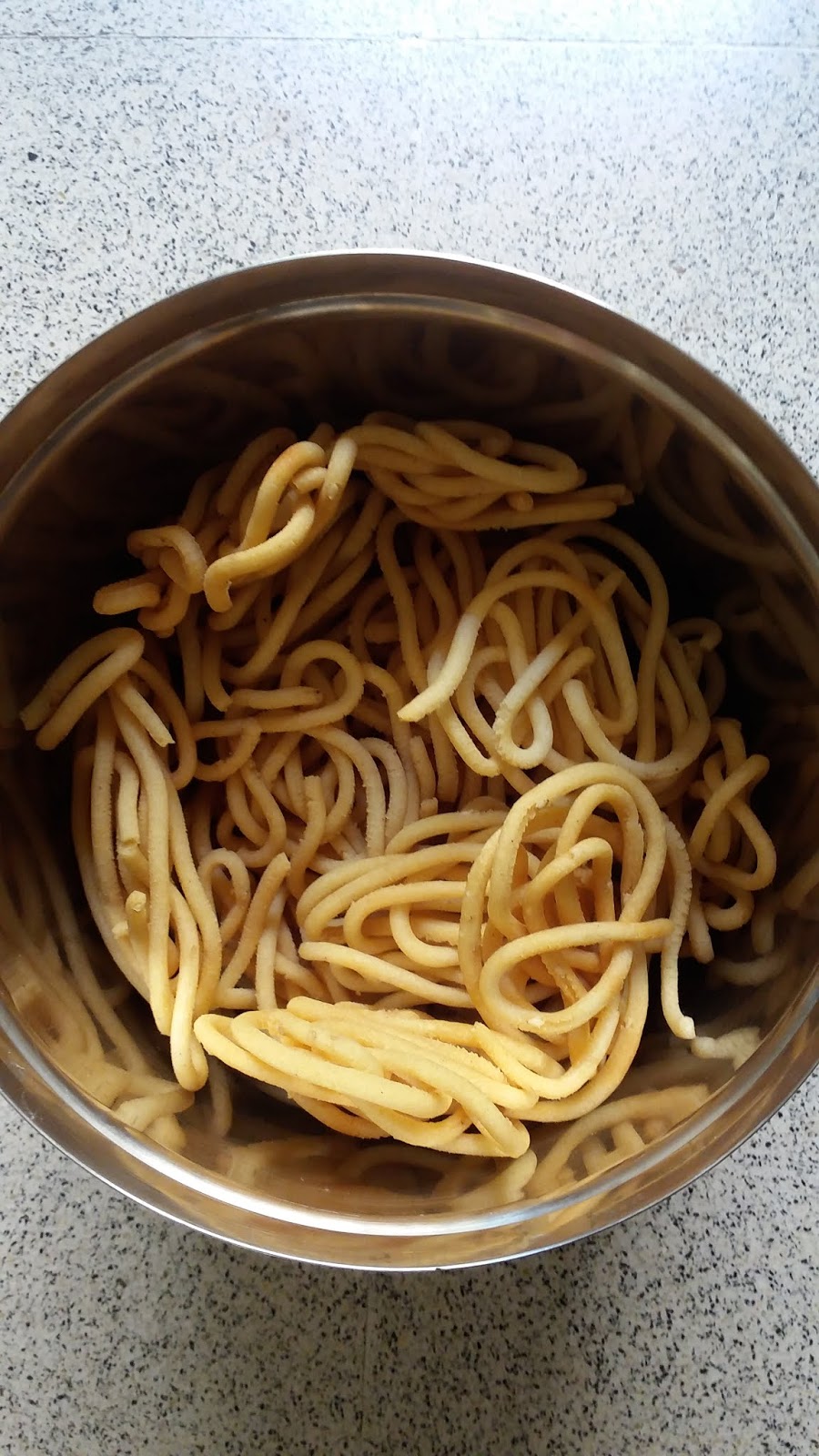
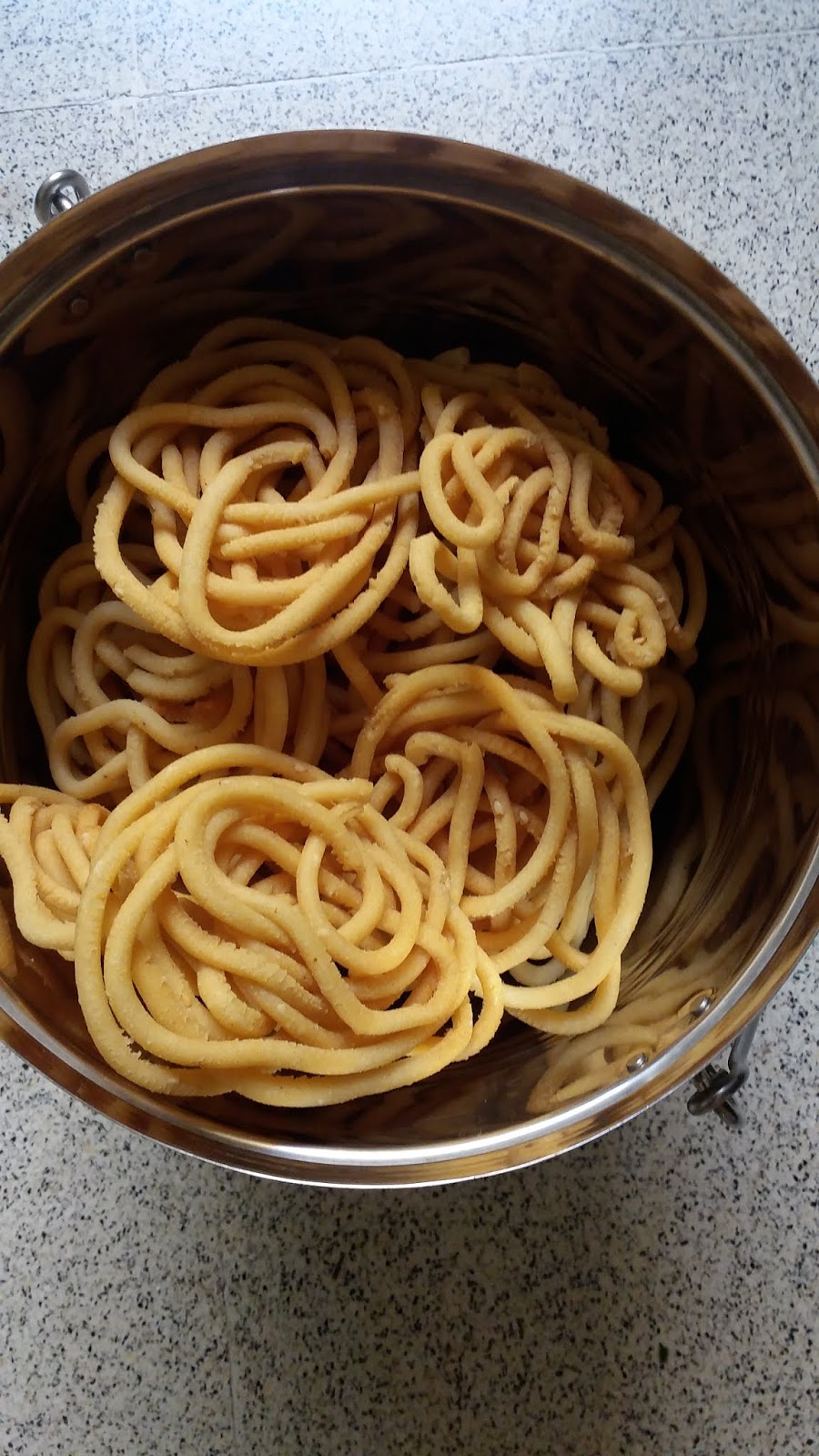
Ingredients
Rice: 4 tumbler
Urad dal : 1 tumbler (i.e. urad to rice ratio should be 1:4.)
Asafoetida/hing : 1/2 tsp
Cooking butter : 100g
Salt : 2-3 tsp
Jeera : 2 tsp
Til/seasame: 2 tsp
Oil for deep frying
Method:
Dry saute the urad dal till it becomes hot. Then let it cool down and
mix it with rice. And grind it into nice powder by giving it to some
flour machine shop. Then wait for it to come down to room temperature.
Then sieve it once or twice. This is important, else if rice or dal
particles are present, then it will burst during deep frying which may
cause burns.
Add asafoetida, cooking butter, salt, jeera,til. Mix well.
Add some water and knead it as a dough which doesnt stick to your palm.
(but do it in portions else if you make dough with all the flour at a
time, then first few murukkus will come out well, and other murukkus
will come out reddish.)
With the help of a muruku maker (handy squeezing machine with different
attachments for different shapes- choose the attachment with plain
circle), squeeze them into small spirals and deep fry them.
Mullu Murukku
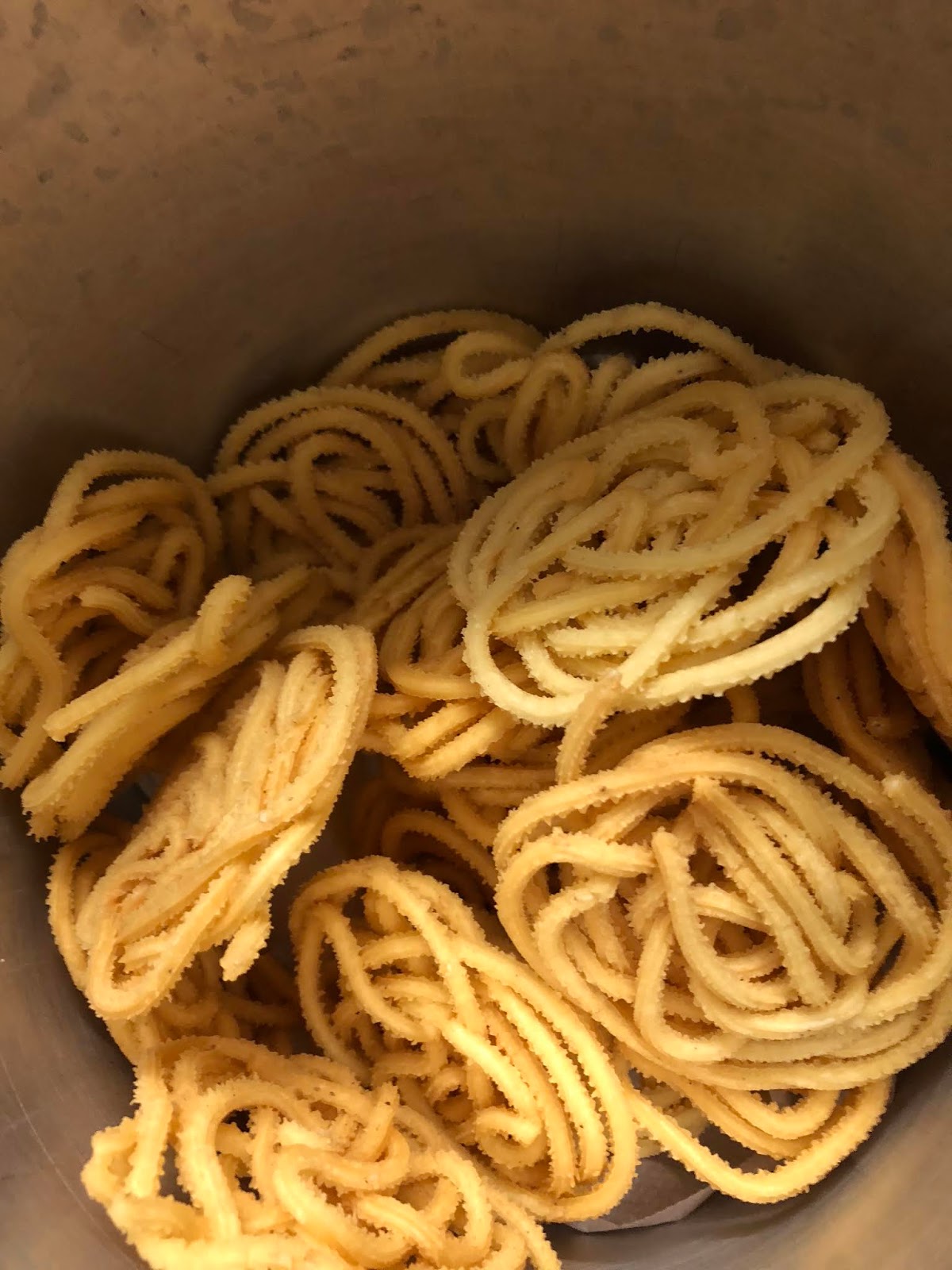
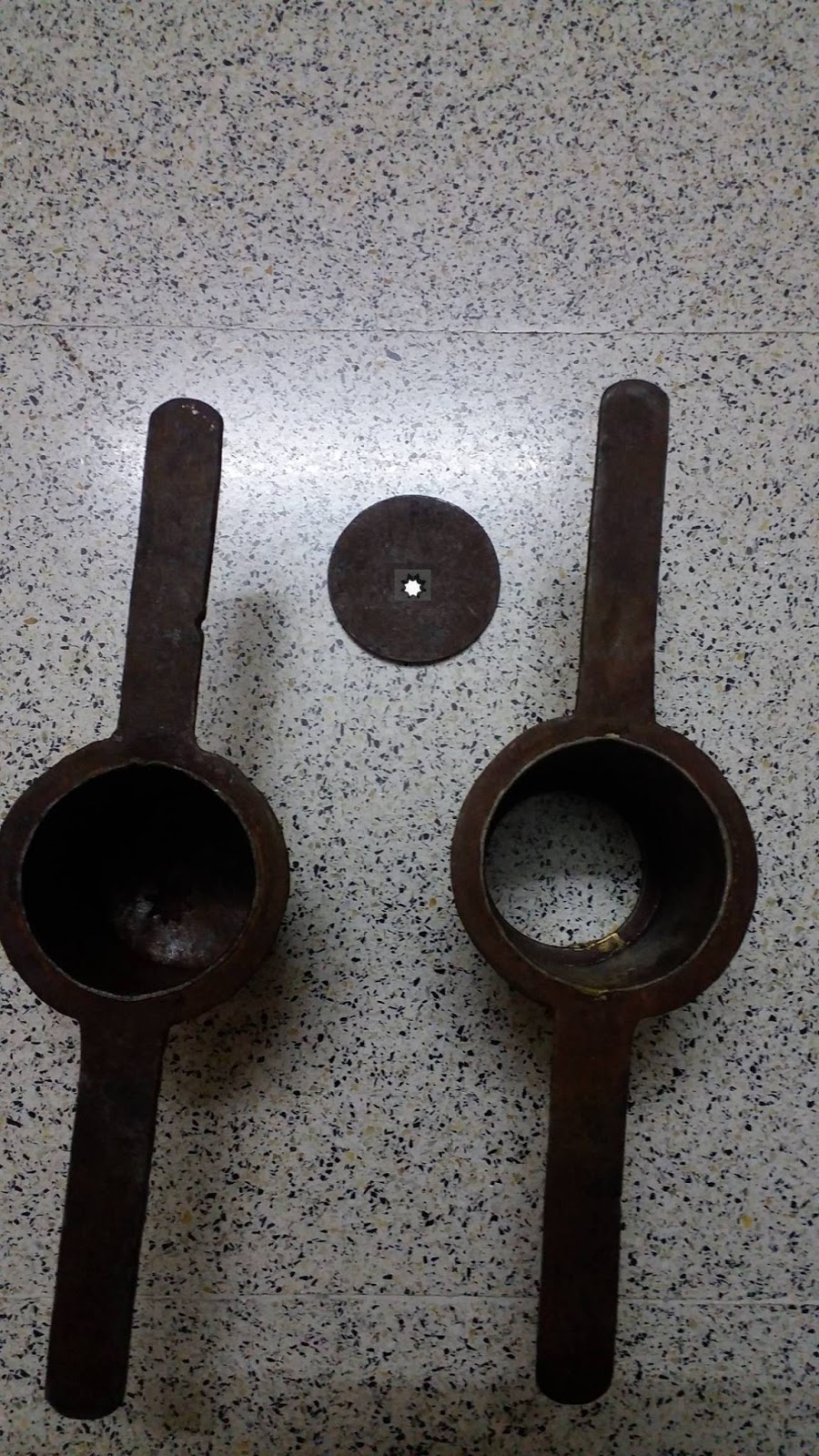
Ingredients:
Rice: 2.5 tumbler
Kadala paruppu (chana dal) : 3/4 tumbler
Pasi paruppu (moong dal): 1/2 tumbler
Til : 2 tsp
Salt : 2.5 tsp
Elaichi : 3
Cooking butter : 50g
Note : 1 tumbler =~ 200 ml
Method:
1. Dry saute the urad dal and moong dal till it becomes hot. Then let it
cool down and mix it with rice. And grind it into nice powder by giving
it to some flour machine shop.
2. Then wait for it to come down to room
temperature. Then sieve it once or twice. This is important, else if
rice or dal particles are present, then it will burst during deep frying
which may cause burns. Also these particles may get stuck in the squeezing machine and cause trouble.
3. Add cooking butter, salt,til,elaichi powder. Mix very well.
4. Add some water and knead it as a dough (similar to chappathi dough) which doesn't stick to your palm.
(but do it in portions else if you make dough with all the flour at a
time, then first few murukkus will come out well, and other murukkus
will come out reddish.)
5. With the help of a muruku maker (handy squeezing machine with different
attachments for different shapes- choose the attachment with spiky
circle), squeeze them into small spirals and deep fry them. (Refer the video)
Shakkarpara
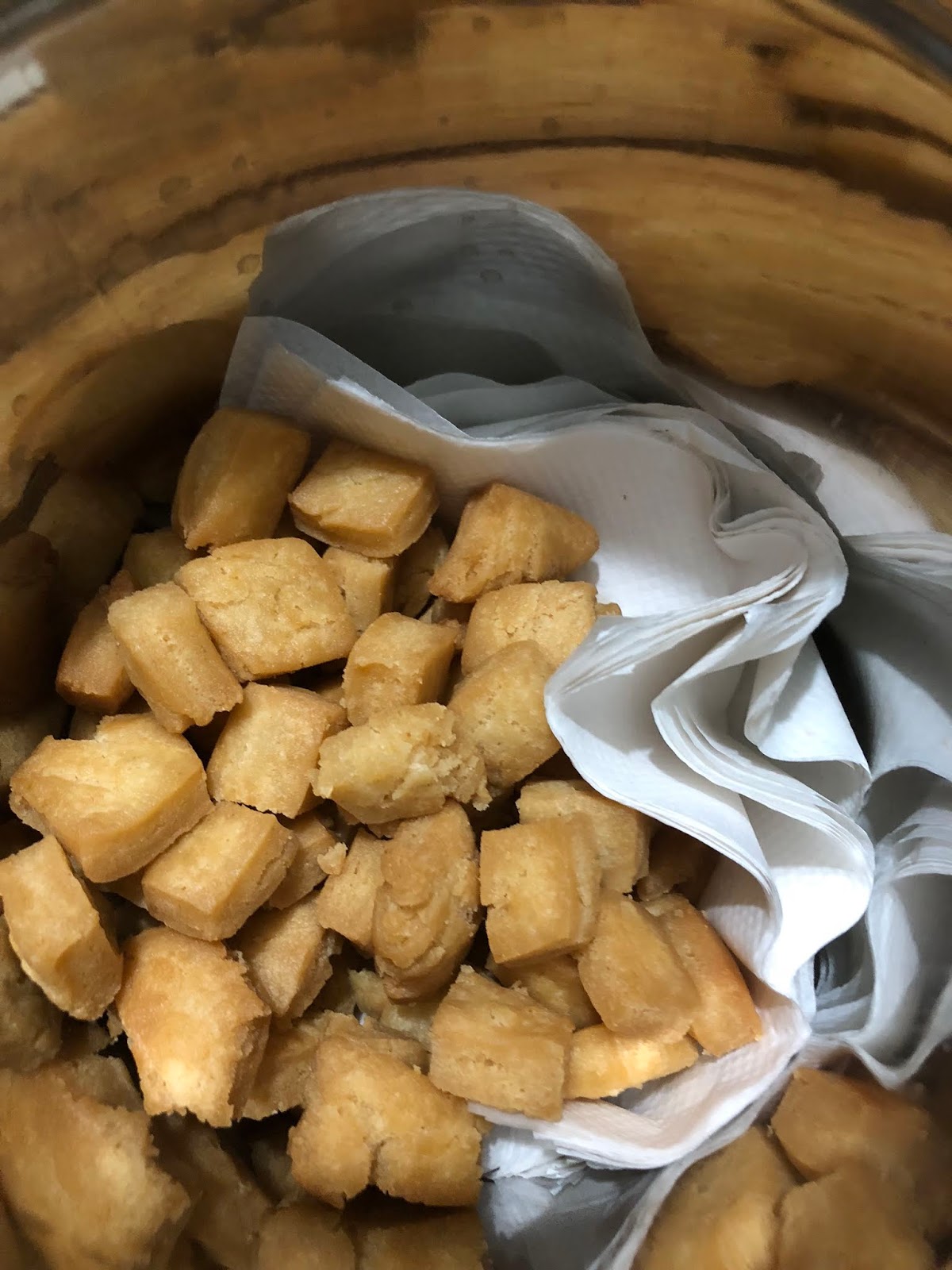
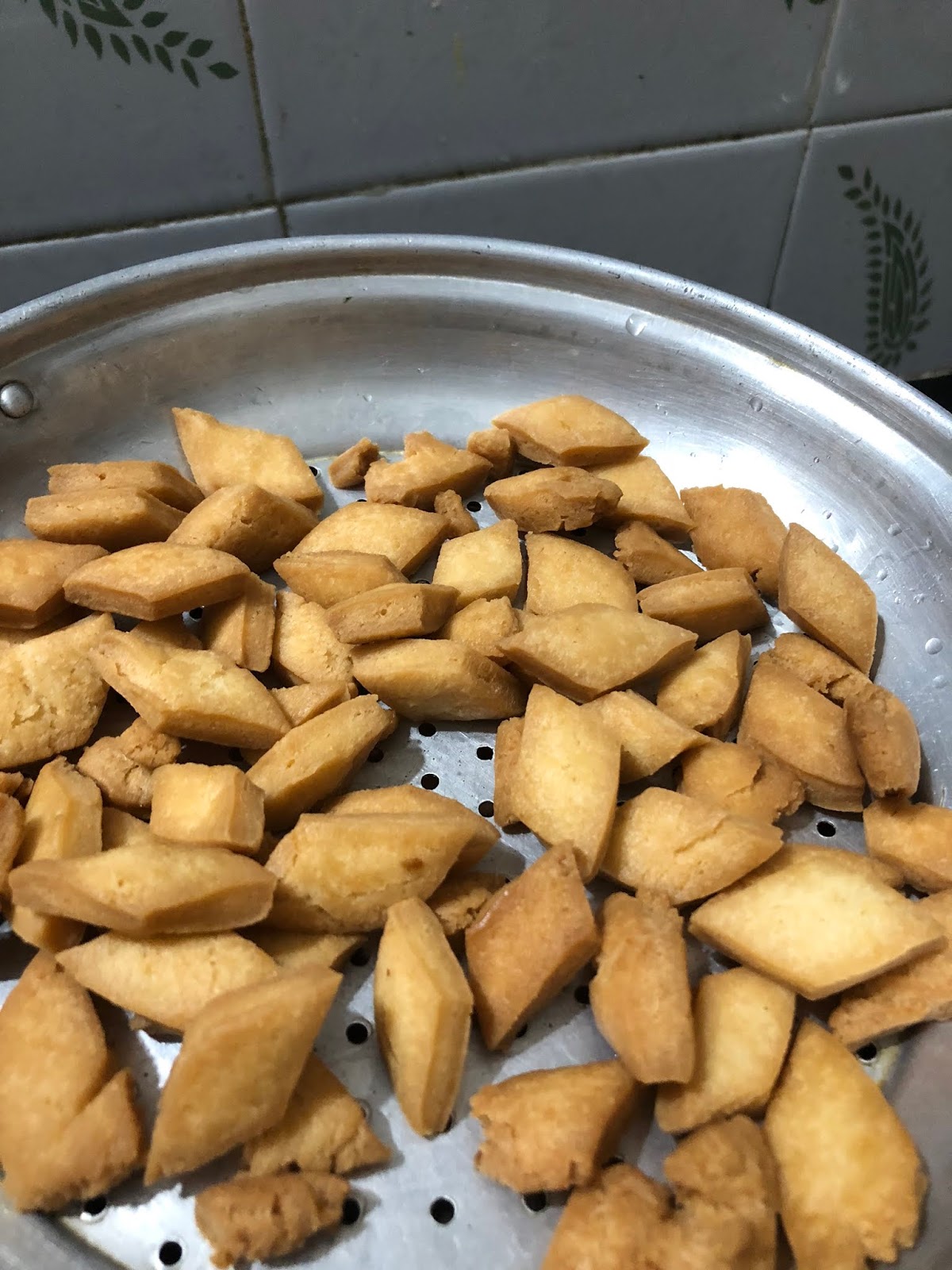
It is a maida biscuit which is sweet in taste. It is a tea time snack, very easy to make and liked by all, especially children. Find its recipe below. Instead of sugar, you can also add salt+red chilly powder+carom seeds(ajwain) and bit asafoetida (hing) and can make salty biscuits.
If you buy the rasagulla/gulab jamun canned sweet boxes and if the sugar syrup remains, instead of throwing it away you can use it to make these tasty biscuits.
Ingredients:
Maida/all purpose flour: 2 to 2.5 tumbler (1 tumbler =~ 200 ml)
Sugar : 1 tumbler
Ghee : 4 tbsp
Baking Soda: pinch
Method:
1. Take maida in a big bowl, add pinch of baking soda, then add melted ghee. Mix well.
Note : the ghee should be mildly warm, not hot while mixing.
2. Add melted/powdered sugar and mix very very well.
Note: Heat a pan and add sugar into it, and add one ladle of water, stir and soon sugar will melt. Once melted switch off and let it cool or let it become slight warm from very hot. Then mix it with maida. Else you can also powder the sugar in a grinder and add to maida.
3. Knead the maida into chappathi dough consistency (neither loose nor tight). Sprinkle bit water if required while kneading.
4. Divide the dough into small partitions. Take one and roll it flat and cut it into square/diamond shapes.
5. Heat oil in a pan and fry them till golden in colour.
Comments
Post a Comment